Category: Past Months

  • Ice cream made from regional produce 🍄

    Ice cream made from regional produce 🍄

    Learn more about the delicious mushrooms and fruits from the DMV!

    Welcome to The Sunday Roast! Thank you for your patience as I took a break from this newsletter. Last month, when this was supposed to send, I was celebrating my birthday, and the subject I originally had lined up got too busy. Then, the subject below swooped in and saved the day. I saved this send until now to make sure I gave him a proper TSR, in addition to a proper social media break that I desperately needed. I’m feeling refreshed and ready to dive back in! I hope you enjoy the different format below.

    This month: Technically, this would be this past month, but I really wanted to try pawpaws. I saw the regional fruit all over my Instagram as people were buying the fruit to enjoy during its super limited season. So I searched and found one company a friend had bought her pawpaws from. They were kind enough to deliver the pawpaws to me within a few days before I had to head out of town, and even agreed to an interview! And let me tell you, these things were amazing. I’m so thrilled to feature a local business owner and truly local fruit in this October edition. 

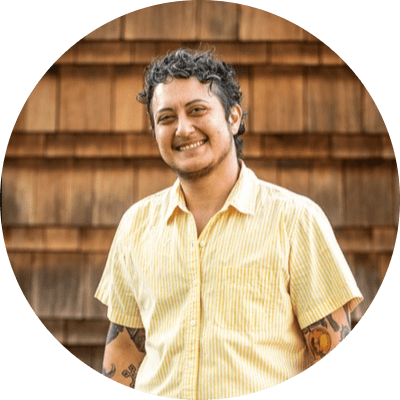
    Meet Iulian.

    Photo courtesy of Arcadia Venture

    Iulian grew up in Northern Virginia and began his career taking culinary classes as part of his high school curriculum. While working at local restaurant Trummer’s on Main on his days off, he realized that cooking was his passion. He soon enrolled at the Culinary Institute of America in upstate New York, where he got the opportunity to work for four months at the acclaimed Noma restaurant in Copenhagen, Denmark. Iulian says he acquired an in-depth knowledge of indigenous ingredients and unique methods of food preparation at Noma, influencing his later passion of exploring local produce and foods. 

    During the last four months of his time at school, Iulian spent time at the Puglia Culinary Centre in southern Italy learning and preparing foods from every Italian region. He also undertook various educational trips throughout the Mediterranean to strengthen his culinary and foraging skills and worked at Ristorante Peppe Zullo, a biodynamic farm and restaurant in the mountains of Puglia. When he returned to D.C., he saw an opening in the market for local ingredients, and the rest is history. 

    Discover Arcadia Venture’s Instagram and website.

    A Q&A with the founder of Arcadia Venture.
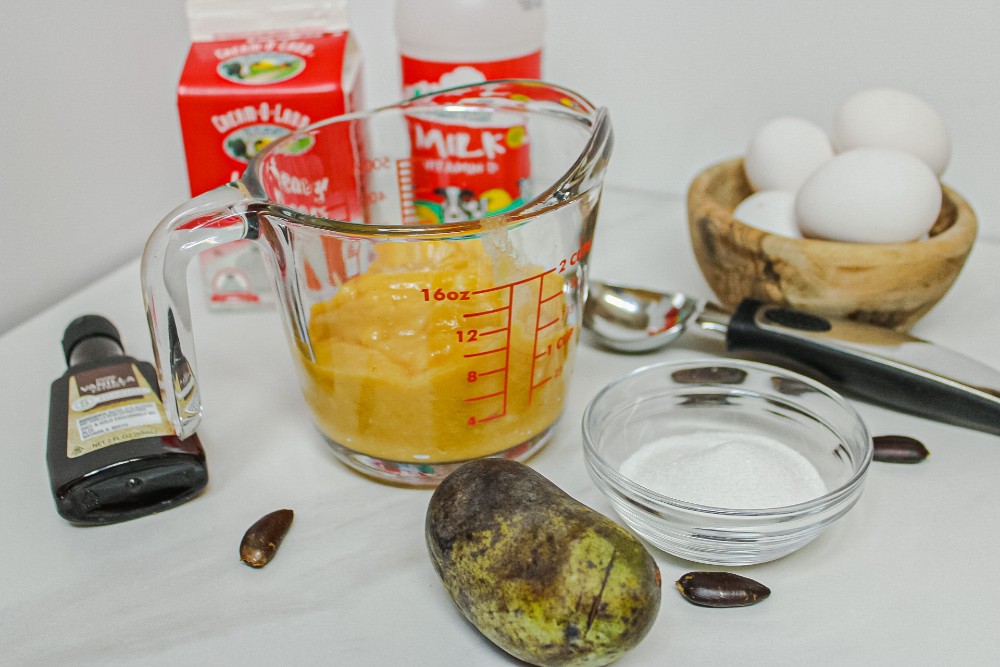
    A view of the ingredients used to make pawpaw ice cream, including the bruised fruit in front.

    Do you have any advice for anyone looking to get into foraging? Like, how do you determine the dangerous from harmless? 

    For anyone looking to get into foraging, find someone experienced in your region and start learning from them. Books are a good way to start acquiring knowledge but more importantly it’s the hands-on experience that will teach you about the land. Start slowly and see what particular things interest you, whether it’s mushrooms, medicinal plants, or wild fruits. Start observing and learning the seasons for each product you want to work with; it changes slightly each year and even more so now with the large weather swings from climate change. As for knowing edible from poisonous, don’t eat everything you see! Learn the major deadly plants and mushrooms. There are not many things that could kill you, but there ARE many things that will make you incredibly sick. If in doubt, err on the side of caution.

    I see you originally set off for a career in cooking with your degree from the Culinary Institute and your position at District Winery. What made you decide to take the leap to a food business owner and open Arcadia Ventures?

    I have been fascinated with wild food ever since my internship at Noma in Denmark. In Scandinavia it is a very commonplace thing; most families go out into the woods or beaches and pick wild food. In fact it is a constitutional right over there, the “right to roam”. I decided to quit my job at District Winery to focus on building a business around this because I saw a real lack of locally foraged food in restaurants. Besides the random mushrooms here and there from various mushroom pickers there was no actual business that focused on wild food in the DMV. There is such a bounty of products in the mid-Atlantic region, some native and some established over time as a result of trade and commerce over hundreds of years. 

    I know you supply ingredients for a lot of well-known restaurants in the area, what made you decide to also sell your product for delivery to home cooks? Do you aim to expand either of those parts of your business?

    Well, necessity to be honest. In April of 2020 everything was shutting down. Restaurants were rapidly closing due to the pandemic and very limited to doing only basic food to survive. At that point the market for specialty ingredients practically vanished. It was also a time when everyone else was working from home and eager to start cooking. I used to do produce boxes with a mix of different vegetables, fruits, and mushrooms. The products were from a couple of farms I work with that specifically supplied only to restaurants and chefs: incredibly high quality and varieties of products not seen in grocery stores. Although they were really popular after a few months I stopped doing them because it took up so much time to package and deliver the boxes to each home. Now I still do some home deliveries of a la carte items, especially wild mushrooms. What I am hoping to start by the end of the year is to provide some products to local independent grocers and butchers. 

    Why were you enticed to come back to the DMV area for a career in food? Why establish Arcadia Ventures here?

    I returned to the DMV after school because I wanted to find a high-paying chef job and just save up a lot of money by living at home with parents. After I decided to start Arcadia Venture it made sense to do it here because I understand the products that grow here and I already had some connections in the restaurant world. If I moved to another part of the country I would have had to start from scratch and had a much higher learning curve for starting a new business, especially a foraging business! 

    What’s your most popular product versus your favorite?

    My most popular product is actually Paw Paws! Last year was a terrible paw paw year because a late frost killed off a lot of the blossoms. I had much more demand than I had supply. This year though it is much better and I can offer them to more people for them to try this unique fruit. My favorite item has to be Hen of the Woods mushrooms. They are also known as “maitake”. Although you can grow them, the wild variety is a lot stronger in flavor. It grows in large clusters that can weigh 20-30 lb even! 

    When it comes to pawpaws, how popular are they among your customers? Why did you decide to forage and sell them?

    Paw paws are very popular. A lot of my restaurant customers eagerly await the season, which only lasts a few weeks, to stock up on it. What I really like is when a customer tries paw paws for the first time. A lot of times they never imagined that a “tropical” fruit grows in the wild here. I decided to forage and sell them because they show a particular time and place of where we are. The end of summer ripens the paw paws until they fall from the tree and the tropical aroma fills the air. They are something quite special. 

    Can you talk to me a little bit about pawpaws, like your knowledge of the fruit and what recommendations you usually give to customers for eating, storage, use, etc.?

    Paw paws are the largest native fruit in North America. They grow east of the Mississippi and north up into Ontario. They are a very finnicky fruit and start to turn black when fully ripe (like bananas). If you want to save them for later you have to freeze the pulp. For cleaning them, take the skin off by hand in a small bowl, mash the pulp with your hands, and take out the seeds. Do not let the pulp sit in a container in the fridge. It will go bad very very quickly unless you freeze it. Afterwards you can use the pulp by thawing out as needed. 

    Paw paws are a difficult tree to grow for fruit. Although the trees themselves are easy to grow, they take 7 years to start producing flowers and around 3 more years after that to do fruit. If you plant just one tree you will never get fruits. There needs to be a lot of diversity for cross pollination. In the wild they usually grow in “colonies” where most trees are shoots of the parent tree, therefore genetically the same. Another tree from a different colony (like a seedling) has to be introduced for them to start making fruits. So imagine around 15 years from start to finish to get a productive group of trees!

    What is your favorite way to eat or use pawpaw? 

    My favorite way to use paw paws is for ice cream. It really preserves as much of the flavor as possible and showcases the “custardy” texture of the paw paws.

    Looking to make ice cream? Try this recipe.
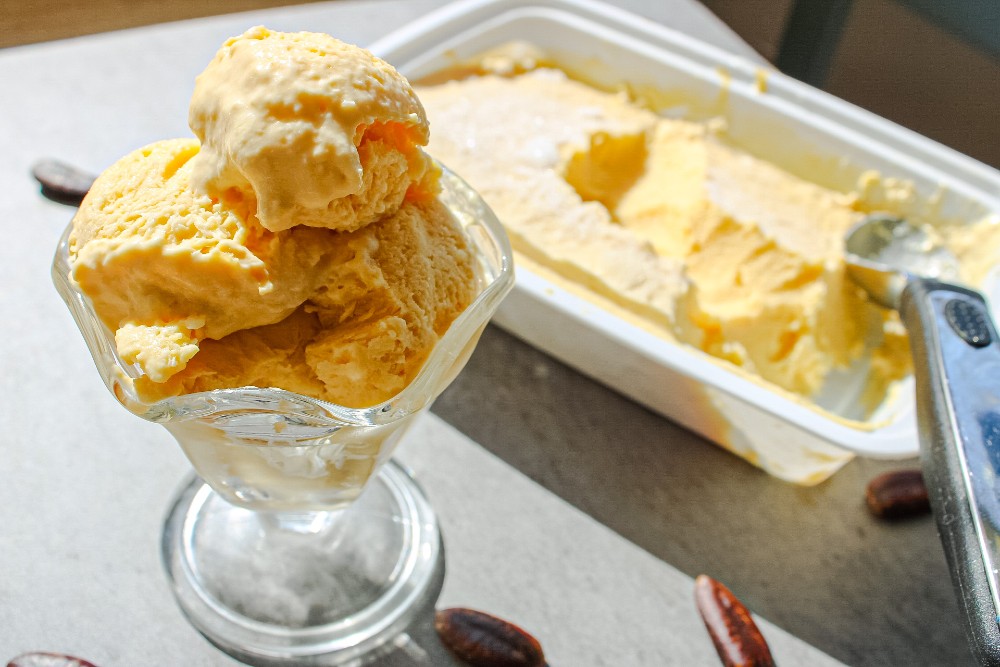
    Iulian sent me this recipe and recommended it! You essentially make a custard with mashed pawpaw and then freeze into an ice cream.

    A note from me: I don’t have an ice cream maker so I ended up using the old fashion method of shaking the bagged custard in another bag filled with salt and ice. Then I froze it for the rest of the time. Still tastes delicious and creamy!
    Processing…
    Success! You're on the list.
  • The perfect party app 🎉

    The perfect party app 🎉

    Open the August edition for a recipe from a Best of D.C. finalist + Michelin Starred chef.

    Welcome back to The Sunday Roast! I hope everyone is surviving this insane weather with heat waves one hour and downpour rain the next. I was on vacation in Virginia Beach last week so this month’s newsletter is delayed by a week so I could devote the proper time. I don’t have much more chatter to include here so let’s dive in!

    This month: I reached out to a couple of my all-time favorite chefs that I admire so much on Instagram, and managed to line them both up for this month and the next. Now, I’ve got the story of a well-known chef, born and raised in the DMV, and a wildly popular recipe from their beloved pop-up restaurant. Scroll down!

    A note on receiving emails: Make sure to add my sending address to your address book to avoid the newsletter regularly ending up in spam. I found this helpful article to walk you through adding me as a contact in Gmail that will hopefully help.

    Meet Marcelle.

    Photo by Laura Chase de Formigny.

    Chef Marcelle has always loved food. They learned to love it and restaurants at a young age, and it was ingrained in who they are so early on. They say they were fortunate to grow up around a family full of fabulous home and professional cooks. Marcelle’s grandparents were an integral part of their early obsession with food, starting with when they would rather spend time with them in the kitchen than with other children. Marcelle says they find themself to this day recalling memories and making recipes based off of those memories.

    Their parents also played an integral role. They owned small mom-and-pop pizza and sub shops in Maryland, so Marcelle started working at the shops when they were 10 years old. In their late teens, the only thing they really knew was a kitchen, so they set out on a career in food. Marcelle got a gig at their first service style restaurant at 17, and their understanding of the culinary world only broadened from there. They read, studied and worked nonstop to gain as much knowledge as possible.

    They spent time in Spain, Puerto Rico and across the continental U.S., but after growing up in Silver Spring, the DMV has always remained home. In the late 2000s and early 2010s, the food scene in the DMV was rapidly expanding, meaning there was loads of opportunities to learn under chefs like Jose Andres and Bryan Moscatello, so it was an easy choice to stay. Since then, they’ve worked at several locally loved establishments, such as Maydan, Compass Rose and the Bluejacket Brewery, and even opened up their own concept, which I’ll touch on more below.

    But first, more about Marcelle. On their social media, they’ve been open about their identity as a transgender person with Palestinian roots. Marcelle recently posted about the one-year anniversary of coming out on Instagram and of their transition journey. I asked what that journey has been like while working in the DMV culinary scene, and they said that they had a supportive, progressive support network in D.C. that welcomed them with “love and open arms.” And in the spirit of wanting to live their best authentic self, Marcelle embraced their Palestinian heritage to use food as a bridge to advocacy, even launching merchandise with proceeds going to organizations helping Palestinians in occupied territories. 

    “For us in the diaspora, specifically my generation, we are in a moment of reclamation of our pride, our roots, our fight. I’m just trying to do what I can with what I have for my people that are struggling in a capacity many people unfamiliar with the situation might not know about. I feel that it’s my responsibility to share what I know and help however I can,”  Marcelle says.

    Which brings us to, his Palestinian pop-up restaurant, Shababi … 

    Discover Marcelle’s Instagram. And Shababi’s. And the website.

    The story behind their recipe.

    Marcelle for five years led the kitchen at Bluejacket Brewery, a popular beer and bites outpost in Navy Yard, before heading the critically acclaimed Maydan and Compass Rose. No matter where Marcelle was lending their talents, they always made sure to make the food of their people and heritage. And they’re proud of the work they did there, including maintaining the existing Michelin Star at Maydan and earning another in 2020. Marcelle’s leadership and cooking was noticed around D.C., and eventually, at the end of 2020, they decided it was a natural progression at that point in their career to move onto the next opportunity: Shababi.

    For Marcelle, 2020 was a real year of self-reflection, as many can relate. They found themself wanting to express their most authentic self and the things they wanted to pay the most honor and homage to. Their grandparents, who were in the 1948 Nakba, always spoke about Palestine, and it was the part of their heritage they always felt the most connected to.

    At the same time, it was also a part of Marcelle that they were continually toning down professionally, so to be as authentic as possible, they knew they had to get over that hurdle and properly represent themself and their people. In comes the musakhan, a staple Palestinian slow-cooked chicken dish smothered in loads of seasonings, especially sumac. Muskhan seemed to Marcelle like the perfect way to be authentic because of how important it is to the Palestinian people as a comfort food.

    They then started Shababi at the height of the pandemic, as they say, “when nothing seemed certain but the comfort of home.” It felt right to them to bring their idea to life when the focus could be on the flavors in the comfort of one’s home and the shared experience of a family meal. The pop-up currently operates weekends out of Roro’s Modern Lebanese restaurant in Alexandria, which Marcelle says allowed them to create Shababi with the sense of urgency that they felt it needed. The restaurant became the right space at the right time.

    And so far, people have loved Shababi’s chicken! Marcelle says the reception for the musakhan has been overwhelmingly and so humbly incredible!

    Shababi started as a pop-up in January, and off the bat the reception was so welcoming, so Marcelle knew they had to continue it. After eight months of neighborhood drop-offs, where one could organize several orders to be picked up in a place other than the restaurant, and rotating menu specials, like vegan arayes (a typically meat-stuffed pita), Shababi is standing strong.

    Eight months later, it’s a 2021 RAMMYS finalist for outstanding ghost kitchen or pop-up concept and has been nominated for four categories in Washington City Paper’s Best of DC for 2021.

    Best Middle Eastern Restaurant, Lockdown Takeout/Delivery Discovery. Lockdown Takeout/Delivery Experience, or Pandemic Restaurant Pick-up Kit.) And don’t worry, Shababi and Marcelle will both be around for a long time coming. Marcelle says they’d love to continue to build this community and are looking forward to bringing all of my ideas to life, so stay tuned! 

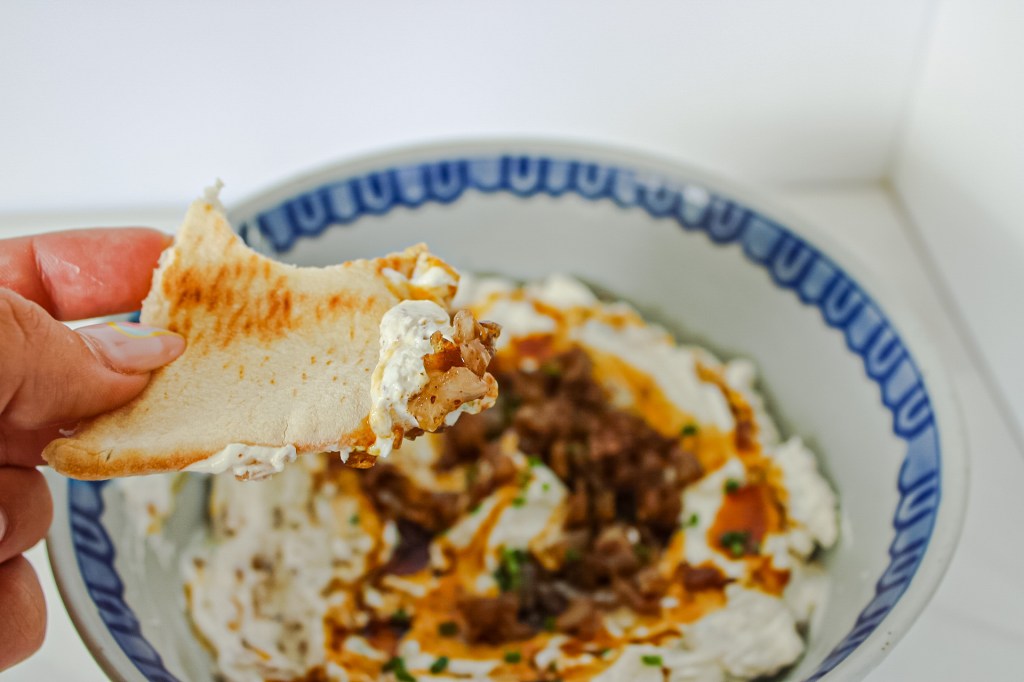
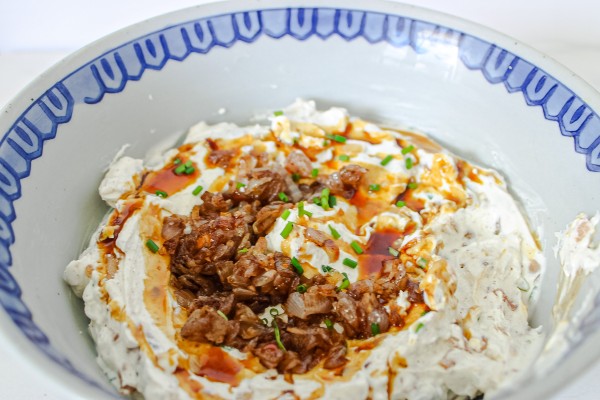
    One of the most popular menu items surprisingly has been one of the sides: the French onion labneh. The ultra-strained, ultra-thick Greek yogurt-like spread is tangy and perfect for dips, os that’s exactly what Marcelle’s family did. They say the family would eat labneh piled high with onions and topped in pomegranate molasses.

    Marcelle says, “thinking of those flavors and a mutual love for French Onion dip, it seemed like a natural marriage of flavors.” They love to take inspiration in their recipe creation from their childhood and the things they have grown to love. The labneh is still on the menu, because when Marcelle once tried to give it a break, fans of Shababi spoke up about missing it, so it’s been on the menu ever since. And now, you can make your own version at home. 

    Whip up a bowl of French onion labneh for your next happy hour.

    click here for all past recipes

    Processing…
    Success! You're on the list.
  • Make your own sushi 🍣

    Make your own sushi 🍣

    A Hawaiian recipe from a local business owner’s waiting inside the July edition of TSR…

    Welcome back to The Sunday Roast! Thanks for being a loyal reader. I’ve got another awesome local business owner featured this month, and an extra special gift card giveaway to encourage y’all to go out and support her. I’ll be unveiling the gift card giveaway on my Instagram around the same time this newsletter drops, so make sure you go follow @thesundayroastnews to enter to win a $25 gift card to Abunai! It ends on Friday, July 30th!

    This month: During AAPI Hertiage Month in May, I made an effort to reach out to several AAPI-owned businesses to feature their amazing food as much as I could, and one was Abunai in downtown D.C. We had some scheduling issues as Akina, the owner, was busy at the time, but we were finally able to catch up this month. This feature lined up perfectly with my Instagram account passing the 500-follower mark, so I decided to celebrate that with a gift card giveaway as well. Make sure you take the time to read and test out the perfect lunch recipe.

    A note on receiving emails: Make sure to add my sending address to your address book to avoid the newsletter regularly ending up in spam. I found this helpful article to walk you through adding me as a contact in Gmail that will hopefully help.

    Meet Akina and Abunai.

    Photo of the Abunai food truck.

    Akina has been spreading the love for Hawaiian food and culture at her poke shop downtown for over four years now. Long considered one of the best poke shops in D.C., Abunai also serves up other delicious Hawaiian classics, like mochiko chicken, Kahlua pig nachos and, of course, spam musubi. She’s even operated her food trucks and opened some locations in Philly, bringing a taste of Hawaii everywhere. 

    Akina originally hails from Honululu — she even still has the 808 area code. She moved to the East Coast many years ago and immediately was entranced with the idea of opening up a food truck. She landed in D.C. after a friend living there suggested she join her, and despite only visiting when she was little and not researching the area much, she made the leap. Then, after a quick turnaround for the food truck application process (literally a day), she opened up the Abunai food truck that she parked downtown for the office lunch crowd. After parking in front of her current storefront for a while, the owner of the building, who frequented the truck for lunch, approached Akina to ask if she would be interested in leasing the storefront. In April 2017, the L St. location opened up for business.

    A year later, she expanded to The Bourse, a Philadelphia food hall, where other D.C.-based businesses are as well, including Prescription Chicken and TaKorean. She used to go back and forth between the cities but doesn’t anymore since she has staff there to maintain the location. She’s kept her downtown location, but definitely is biased towards food trucks being a bit easier to maintain with low-cost, hands-on work.

    All the while, Akina’s been killing it on the business side as a single mother. Her son just turned four years old after spending the last year or so always with Akina due to the pandemic shutting down many school and childcare options. Akina said she set up a table in the corner with books and other activities to keep him occupied while she maintained the restaurant. Now that D.C. is fully reopened, she’s looking to hire more staff to keep up with the demand for her food since pre-Covid, with school open and a full staff, it was easier to deal with. Some fellow owners in the industry have asked if she has staffers to spare, though she hasn’t had any yet.

    Discover Abunai’s Instagram and website.

    Keep scrolling for more on Akina’s mission to bring Hawaiian food to the District.

    The story behind her recipe.

    Akina’s whole family is still in Hawaii, but she’s here bringing the essence of D.C. When she first launched Abunai in food truck form, she noticed a lack of Hawaiian cuisine in the District, so she thought she’d try bringing it here since she cooked all the time at home.

    She wanted to share her culture and food with the DMV community and see what they think. So far, they love it! Akina noticed that when she sold poke as a special on the truck, it was always really popular, despite her offering a variety of Hawaiian food. The downtown crowd tends to prefer healthier, fast casual options, just like poke. So Abunai offering poke downtown made sense. But don’t worry, the shop is still different and authentic compared to some of the other shops, that have opened since during the poke craze but not drawn attention away from Abunai. 

    The menu was curated of recipes that Akina and her family cook at home, so you know you’re getting the real deal. Every year, Akina will upgrade or slightly change the recipes to make sure the food is always the best.

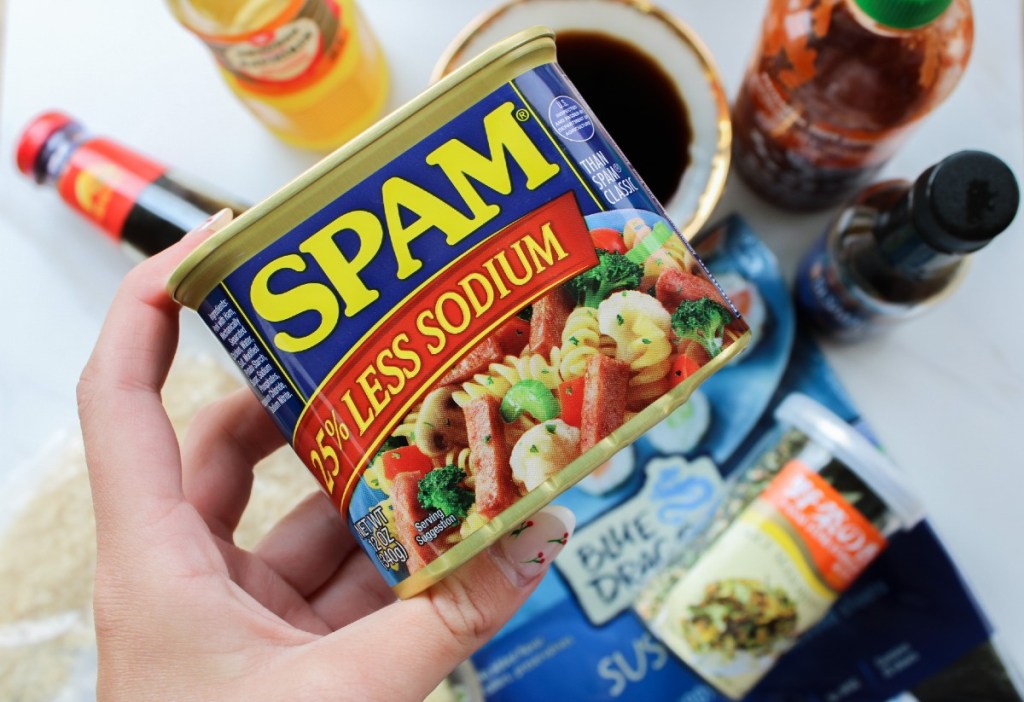
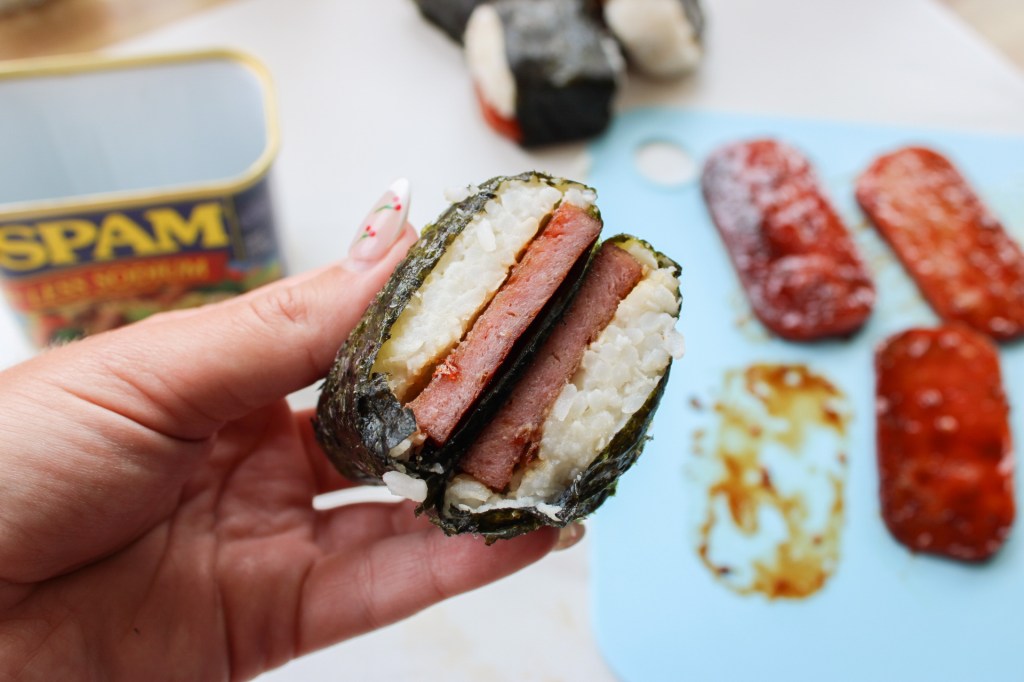
    She may change the sauce or do the marinade slightly differently for the Spam or chicken. She changed her Abunai sauce during the pandemic slightly, and even though nobody else can tell, she continues to tweak her recipes. That’s what makes her spam musubi so popular, which I begged to highlight here in the newsletter. It’s one of the most popular menu items, and one of Akina’s favorite as well. She says because it can be eaten as a snack or meal, the shop goes through a lot of Spam.

    But due to the location of Abunai, it was devastated when the pandemic forced offices to close, leaving downtown D.C. completely dead. Akina unfortunately had to cut about 90 percent of her staff since her sales dropped severely. She transitioned to mostly online delivery for a while, but the radius is not that far since there aren’t many residential areas near the storefront, so that wasn’t booming as well. Then, Abunai adjusted mostly to takeout quite easily since its fast casual environment made the staff used to workers grabbing lunch to go. 

    Some tuned into the D.C. Instagram community may have heard about Abunai after a local food blogger posted negative stories about the poke shop. I won’t blast that person here, but suffice to say that they didn’t appreciate their pick-up experience, but then things escalated when they asked about compensation and posted stories about the experience. Akina, of course, responded to the situation to set the record straight.

    She says she’s a very upfront, honest person, so if someone has an issue, she’s happy to fix it, but if it’s a lie, she’s correct them. Some may not realize Akina is at the shop all the time from open to close, overseeing everything to make sure it’s running smoothly, so she knows how situations play out. But after that snafu on social media, the community showed up and the shop was very busy. So busy that we had to delay any interview! Akina wasn’t expecting the outpouring of support, and since Abunai was understaffed, things were crazy. A couple of other foodie influencers, like Hypefoodies, were kind enough to offer marketing services around the same time as well.

    Akina said she also saw increased support from the community the following month during AAPI Heritage month. She saw lots of new faces that she has seen come back already.

    While it was exciting to get more loyal customers, the recent reopening of the city has been daunting. Abunai has seen busy times in the last two months, even before the city reopened in June, and the understaffing issue was seriously highlighted by that. Akina said they’re all just trying their best everyday, and she cancelled some catering bookings to help focus on the shop. But if you’re looking to support the shop and a local business owner, head over to grab lunch, try out this recipe, and enter to win the gift card to Abunai.

    Make the most delicious and easiest lunch with the recipe.

    click here for all past recipes

    Processing…
    Success! You're on the list.
  • A whole a** fish 🙊🐟

    A whole a** fish 🙊🐟

    Open here for a recipe curated just for The Sunday Roast News June edition by a local celebrity chef!

    Welcome back to The Sunday Roast! I am so very excited for this edition. I know I say that every month, but this is a chef I’ve admired in the D.C. food scene for a while, and he was so incredibly generous with this time to help create this final product. I was a bit starstruck when speaking to him, so if you recognize his name or places like Emilie’s, American Son and Prather’s on the Alley, then you’ll really enjoy this, too!

    This month: As you may recall, my last edition was a special one to highlight a local-based national campaign during Asian American and Pacific Islander Heritage Month. I was lucky enough to snag a ticket to one of the last Chefs Stopping AAPI Hate dinners and an interview with one of the co-founders, Chef Kevin Tien. After highlighting the newsletter on social media, I managed to connect with the other co-founder, Chef Tim Ma! And while this is the June edition, it will be a bit different because Tim created a recipe especially for my lovely Sunday Roast audience! Make sure you take the time to read this incredible edition and test out the delicious recipe.

    A note on receiving emails: Make sure to add my sending address to your address book to avoid the newsletter regularly ending up in spam. I found this helpful article to walk you through adding me as a contact in Gmail that will hopefully help.

    Meet Tim.

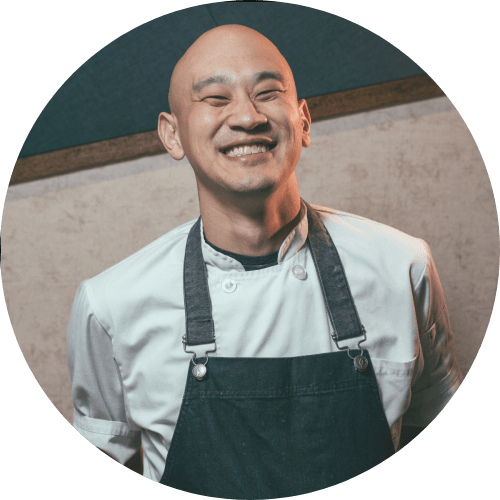
    Photo courtesy of Chefs Stopping AAPI Hate

    Tim Ma is a jack of all trades. He’s a former engineer, a trained chef, a restaurant owner, an operations manager, a chef consultant, a food and beverage entrepreneur and the co-founder of a national charity campaign. He’s always busy cooking up something innovative or groundbreaking in the D.C. food scene, so when he finally had a chance to breathe last Friday after winding down a month-long national program, I grabbed a half hour of his time to talk about his busy life as a well-known chef in the DMV.

    Tim has called the DMV home for about 30 years now. He grew up in a family of restauranteurs in Northern Virginia, but his family pushed him towards an engineering career, and he originally only say food as sustenance. So he set off on a 12-year career after earning a bachelor’s degree from the Georgia Institute of Technology and a master’s degree from Johns Hopkins University. Around age 26, Tim decided to he wanted pursue opening a restaurant and then at age 30, he did it. He quit his job and went to culinary school at the International Culinary Center in New York City, where he learned the classic French style of cooking. His original intent was just to gain a fluency in that professional environment and not become chef, since he didn’t know how to properly hold a knife at 30, but he got really into the technical part of cooking, and ended up during an externship up at 2-Michelin Star Momofuku Ko, and cooking at the highly regarded Momofuku Ssam.

    Then, in a brief foray to St. Thomas in the U.S. Virgin Islands to cook and formulate the plan for a restaurant, Tim returned to Virginia in 2009 to purchase a restaurant on Craigslist with his last remaining credit card. His friends and family helps make his dream come true, and even helped remodel it, before opening as Maple Ave Restaurant in 2009. Since then, Maple Ave was ranked the #1 restaurant in NoVa and he has helped launch several more critically acclaimed restaurants, including: Water & Well, the American sister restaurant to Maple Ave; Chase the Submarine, a craft sandwich shop; American Son, the Bib Gourmand restaurant at Eaton DC featuring American immigrant cuisines; Kyirisan, a Chinese-French concept that also earned a Michelin Guide Bib Gourmand; and now, his Chinese-American take-out pop-up, Lucky Danger.

    Before Lucky Danger launched, Tim took over as executive chef of Prather’s on the Alley in Mount Vernon Triangle in November of 2019 after they asked for a recommendation for a chef and he suggested the best: himself. At the same time, Tim signed on as culinary director for Laoban Dumplings, a local company offering fresh frozen dumplings, and his family was honored by the Smithsonian Museum of American History with an induction of family heirlooms from the history of their restaurants. It was a busy time for him, but almost 50 members of his family came from around the world to celebrate. He says that at that time, the sense of family and the mark you leave was overwhelming. He had always done French cuisine in difference capacities, mostly with Asian accents, because it was what he was trained in and what his love for food and cooking grew from.

    In that moment, and partially as a result of the pandemic when everybody stopped and slowed down, Tim thought, “Why is Chinese cuisine not strong enough to stand on its own?” He knew that Chinese food in America was part of the cultural fabric since there was not a town in the country without a takeout place, but there was still a perception that it was cheap and the tendency for it to be marginalized or made fun of. Tim then realized he should highlight that cuisine in its purest form, with the Chinese American dishes everybody loves with a few actual Chinese twist here and there, so that was the beginning of Lucky Danger in the Prather’s on the Alley space.

    Discover Tim’s Instagram.

    Discover Lucky Danger’s Instagram and website.

    Discover American Son’s Instagram.

    Discover Chefs Stopping AAPI Hate’s Instagram.

    Discover Laoban Dumplings’ Instagram.

    Keep scrolling for more on Chefs Stopping AAPI Hate + Tim’s recipe.

    The story behind his recipe.

    While the Lucky Danger concept at first was meant to be just like Chinese takeout where a customer can call in and pick up dinner minutes later, and Tim kept his name quiet in an effort to keep that mission central to the concept, eventually, the secret got out and led to 6 months of sold-out pick-up times. They were originally making a new dish every 7 seconds because of how many orders they received, which is why Lucky Danger switched to a pre-order system.

    Tim says that while that does help him and his co-founder Andrew Chiou know how much they need to cook that evening before they even open, it’s not the original concept of an “accessible, egoless venture” they had in mind, so they’re making operations changes over the coming months to keep up with demand. Tim says the concept is built for massive growth, like Panda Express type growth, so they should have no problem expanding, which is what they plan to do with a new location in Arlington opening by the end of the month and more to follow.

    The most popular dishes at Lucky Danger are, of course, Kung Pao chicken and orange beef, but the dumplings fight for that number one spot, too. Tim’s happy that those dishes are so popular because they are very classic Chinese-American dishes.

    But still, his creativity is shown at the pop-up in the non-top sellers at Lucky Danger. He says that on the back end, they experiment and try to add more Chinese dishes to include a Chinese narrative, even though Chinese and Chinese American restaurants are two very different things. At Lucky Danger, though, you can get your Kung Pao chicken and your pork belly with mustard greens. 

    But anyways, on to the recipe. When I spoke to Tim on the phone, you could just hear in his tone how driven, ambitious and kind he is. I described the concept of my newsletter to him and despite his uber busy schedule, he immediately offered to sift through his archives and create one specially for me.

    I am still a bit in awe of his talent and giving nature, so when he came back with a recipe that was unique and delicious while still staying fairly simple, I was ecstatic. Tim says that for most food interviews, he typically offers to cook up a new recipe to share, rather than pull one from his arsenal. “I try and keep it interesting so that each news piece has a different angle,” he said. “If someone is taking the time to write something about us, it’s respectful to give them something unique.”

    For this month’s edition, the recipe is one developed for the opening of Lucky Danger back in November 2020, and one that Kyirisan carried a version of as well, according to Tim. While this recipe was one that already had a bit of development prior, I asked Tim about his recipe development process and how he’s able to come out with delicious dishes so quickly.

    He admitted to have stacks of composition notebooks that he doodles his ideas in, which can come from any direction, like a dish he once created around the color green. He said about the dish: “I didn’t care what was in the dish, it just had to have many many shades of green when you look at it from above.” Recipe writing is constant for Tim and any chef, so throwing out new recipes is part of his skill set, but whether those recipes work or taste good is another story.

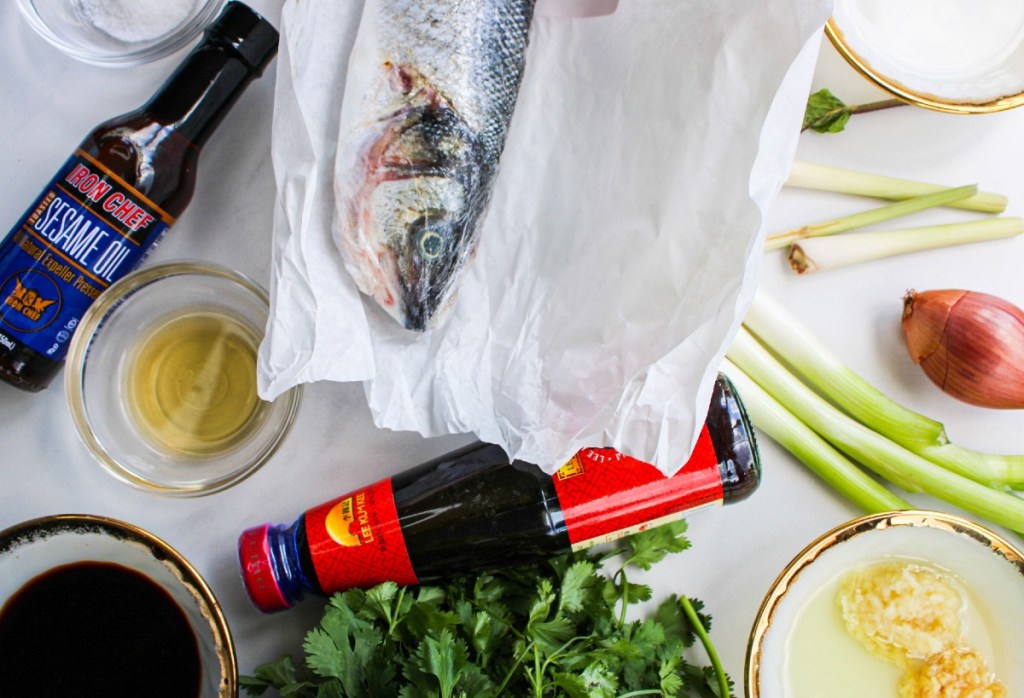
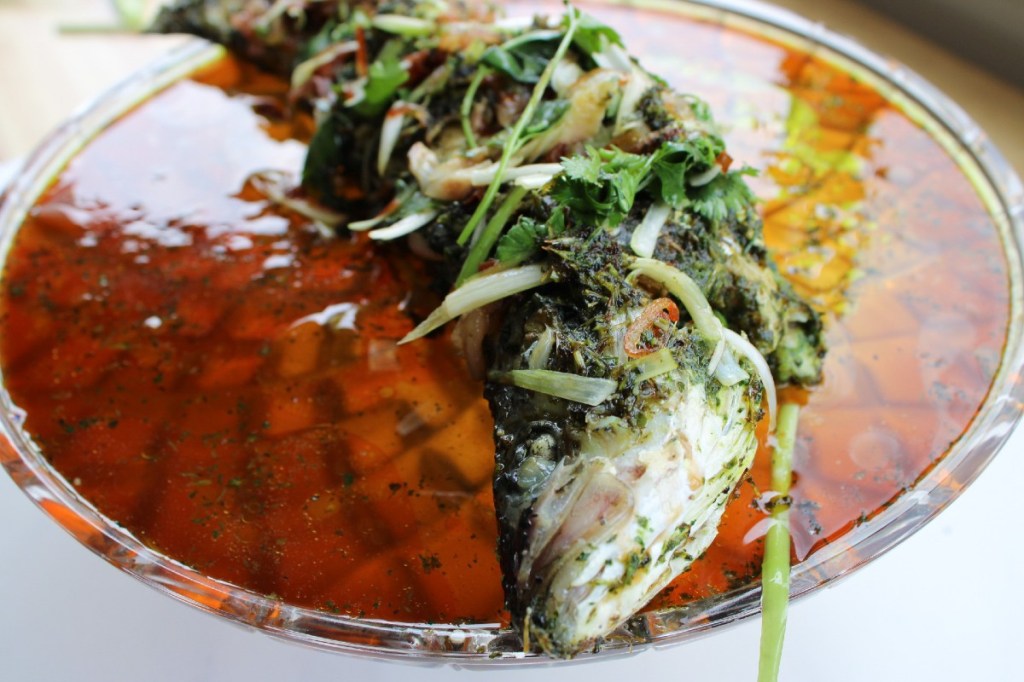
    Tim’s menus have always leaned heavily into seafood since he has an affinity towards it. This stuffed bronzini is based on a classic Chinese steamed fish dish, and he says he featured that fish in particular because its consistent in quality and flavor, so it’s frequently on restaurant menus. Tim actually was kind enough to provide me with a scaled and gutted bronzini, wrapped beautifully in a gorgeously bright Lucky Danger bag, so I can attest to its great quality. This bright, summery dish is not only one Tim would and did serve at his restaurants, but it’s one he would make for dinner at home, too.

    The fish reminded me some of the seafood dishes I had received as part of the Chefs Stopping AAPI Hate dinner on May 23. Tim, while managing to be an award-winning, locally acclaimed chef, owner and manager of several venture, still managed to start a national campaign with his close friend and fellow D.C. chef, Kevin Tien (who I featured last month).

    The two decided to collaborate and utilize their cooking skills and platform in D.C., which Tim says gets them people to buy their food and listen to their words, after they started to see the increase in violence against Asian Americans in the U.S. There was a sense they just had to do something, like Tim says, since they had a platform that gave them some sense of responsibility to help educate others on what it has been like to be Asian in America.

    That sense then snowballed from a one-time dinner with friends and fellow chefs in D.C. donating their skills to fundraise for organizations combatting hate, to 45 chefs in D.C. signing up for nine more dinners throughout May, to launching a nationwide campaign in San Francisco and New York. Tim says him and Kevin are bullishly driven long-time friends, so when Kevin called for help, Tim said, “F*ck it, let’s do it,” and lended his operations experience to the cause. He said the conversations usually started with Kevin calling like, “Hey man, let’s try this thing,” and Tim would agree, in a groundhog day type cycle.

    Both own restaurants and have several full-time jobs, but still launched Chefs Stopping AAPI Hate. Tim was able to devote most of his energy to the campaign during May because Andrew, his partner at Lucky Danger, took over managing the pop-up and he had a great support system that helped give the bandwidth to make Chefs Stopping AAPI Hate successful. He also credits the national team of volunteers that helped set the framework for setting up the initiative nationally.

    The campaign has raised over $100,000 to donate to local organizations and has wound down for a pause during the month of June. Tim says that balancing all his businesses and Chefs Stopping AAPI Hate was difficult and alluded it to when times he’s been in service at restaurants when it’s so busy that “you feel like the castle is about to crumble, but you dig yourself out of the hole by putting your head down and getting it done.” So, once the busy month of May wrapped up, Tim took a couple days off to decompress before setting off with the rest of the members of the campaign to reorganize to become a sustainable campaign. One of his biggest fears, which he says has already been seen, is that AAPI Heritage Month will end and attacks will keep going on, but the spotlight will move on. But Chefs Stopping AAPI Hate has put in the application to be an official 501c and more dinners, especially in-person ones, will be coming as the campaign formulates plans for the rest of the year. Keep an eye out for how you can support Tim, Kevin and their team as they take the chance to bring to the forefront the struggles of growing up Asian in America.

    Fry up your own whole fish like Chef Tim Ma with this recipe.

    click here for all past recipes

    Processing…
    Success! You're on the list.
  • Fancy takeout for an important cause 🍴❤️

    Fancy takeout for an important cause 🍴❤️

    A special May edition of TSR highlights Chefs Stopping AAPI Hate for Asian American and Pacific Islander Heritage Month.

    Welcome to a super super special edition of The Sunday Roast! I am so proud of this edition and eternally thankful that the DC super star subject took time to be featured. I’m trying out a different format below, so hopefully you enjoy it, and make sure to send me any feedback!

    This month: As some of you already know, May is Asian American and Pacific Islander Heritage month. And at a time when violence against Asian Americans is at a terrifying high, it’s important to reflect on how we can uplift, support and protect AAPI voices from any hatred. I’ve seen lots of initiatives launch to respond to the rise in hate crimes, especially here in D.C. One of the more prominent initiatives was full of local food celebrities who took their talents and created a delicious event that then launched into a successful national campaign. You may already know what I’m talking about: Chefs Stopping AAPI Hate. Well, I finally grabbed a ticket to the second-to-last dinner and snagged some of the founder’s time. So keep scrolling to read more about how food was used for good.

    A note on receiving emails: Make sure to add my sending address to your address book to avoid the newsletter regularly ending up in spam. I found this helpful article to walk you through adding me as a contact in Gmail that will hopefully help.

    Meet Kevin.

    Photo courtesy of Chefs Stopping AAPI Hate

    You may not know this about the three time James Beard nominee and Food & Wine magazine’s “Best New Chef,” but Kevin Tien actually got his start in the corporate world after getting his Master’s in Statistical Analysis and Business Analytics. However, his love of food eventually trumped any passion for business and he decided to join the culinary world in 2009. He originally hails from Lafayette, Louisiana, so he worked in some restaurants around the state, then in Texas and D.C., before finally opening his own restaurant: Himitsu, which artfully combined Vietnamese, Japanese, Latin American and Southern cuisine. Himitsu earned loads of acclaims, and then three years later, Tien closed up shop to focus on two new ventures: communal venue Emilie’s and chicken sandwich hotspot Hot Lola’s. 

    And of course, both have earned all sorts of awards and been named “must try” places. Then, last year, some of the top food news was that Tien was leaving Emilies and opening up a new joint to top even his past accolades. In the fall, after a pandemic full of ups and downs, Tien opened up a modern dining room featuring a similarly modern take on Vietnamese cuisine at the InterContinental hotel on The Wharf, which was formerly occupied by the award-winning Kith/Kin.

    In the short time that it’s been open, Moon Rabbit has been one of the most popular dining spots in D.C. The 50-seat restaurant’s website says the food: “evokes memory, honors history, references globally inspired techniques and spotlights reinterpreted takes on regional Vietnamese dishes to the vibrant waterfront dining scene. Tien’s menu is intended to be a love-letter to his heritage as a first generation Asian-American, and to showcase dishes that tell his personal story, through an elevated and innovative lens.” It’s also now become the pick-up spot for the Chefs Stopping AAPI Hate! So now, if you’re keeping score, he’s a top-rated chef that has worked at several restaurants, launched and headed a nationwide successful charity, and stars in the latest Food Network Discovery Plus TV show: Chopped Next Generation. Whew.

    Discover Kevin’s Instagram.

    Discover his restaurant’s Instagram and website.

    A Q&A with the founder of Chefs Stopping AAPI Hate.

    I know you’ve said that the recent rise in violence towards Asian Americans and Pacific Islanders, especially the shootings in Georgia, played a big role in why you and Tim launched this initiative, but I was wondering, what was the thought process behind using food and your cooking skills for a good cause, or that particular cause? 

    For Tim and I, we wanted to make a difference and the best way we knew how was through our best skill set, which is cooking. For most people, their fist introduction to someone else’s culture is through food, so we wanted to make that connection.

    What about the format/experience you chose — what was your reasoning behind a five-course to-go meal set at that price point? 

    We chose to do our dinner series to go because it was already what all chefs were used to during the pandemic. You get to have this amazing 5 course meal for two people for the price of $150, which is a great deal, because if you went to the majority of the chefs restaurants, a dinner for two at the end would run about that much.

    When it comes to the menus, do you or anyone else curate them to an extent to make sure dishes go together or do the chefs have free rein? When is the menu typically decided by?

    We gave the chefs free rein for them to make their own food. Each chef has such a unique story to tell and we wanted them to be able to tell it through their food. And the menu was normally decided at least a week prior to each dinner.

    Most menus have a mix of several different cuisines, so similar to the last question, do you try to feature certain types of cuisines on each menu, such as Asian cuisines?

    We wanted a balance of meals for each week, but mostly we wanted to make sure the other chefs/restaurants had availability to be a part of Chefs Stopping AAPI Hate. Everyone who participated is so amazing, so it wouldn’t have mattered who was cooking each week as it was all not to be missed!

    How did you initially partner with Tim and the other high-profile chefs included in your first dinner, including Erik Bruner Yang, Peter Chang and Yuan Tang? And making that first leap to schedule more dinners past just a one-time occurrence, how did you approach who to reach out to donate their time and skills? Were they old coworkers, friends, other chefs you admire, etc.? It seems a lot of well-loved restaurants in DC are participating and that to an extent that may be driving people to buy tickets.

    The first dinner was a call from our friend Kyley who connected the first 5 chefs for the initial dinner. From there, I wanted to do more and just started calling and messaging every chef I knew personally in DC. Our culinary community is very close knit, so reaching out to friends and colleagues was very important to continue raising awareness.  

    Has there been a trend on the reason why DC chefs have decided to sign up, like to support the cause, use their skills, etc.?

    DC chefs have always been so generous with their time & resources and helping everyone when they can.  We are here to feed people, and are here to help our communities in any way possible as well.

    Will you or Tim Ma cook for one of the dinners again or are both you now settled more into an administrative role?

    Tim and I still do both, we currently have a very small team, so we do everything from cooking dinners, to speaking on panels, to printing menus and everything in between. But our team consists of 8 people who help do this in other cities and the many volunteers and partners each week who really make this happen.

    I see you’ve now expanded to NYC, Detroit and San Francisco. Are there any other cities on the horizon that you hope to expand to? Are you still managing this endeavor, and how do you envision it to grow?

    Our to go series is ending this month, but we are working on a lot of new events and activities through the end of the year.  Our next events are going to be in LA and Houston. We want to make sure we are continuing this work past the month of May and to always be constantly working towards a better future.

    What drove you to partner with/raise funds for RISE and Stop AAPI Hate?

    RISE and Stop AAPI Hate are just a couple of the organizations we are working with. Each city we are working with local organizations as well, for example, in NYC we are working with APEX for Youth and Hearts of Dinner. We wanted to be able to help on all levels locally and nationally.

    As for the pick-up aspect, does that raise any challenges or limitations for what you can feature in the menus? Do you ever envision switching these to in-person dinners or doing it as a one-time event, or something along those lines?

    We haven’t had any challenges so far and the pick ups have been really seamless. We are hoping to do a few in-person events later on this year.

    What’s it been like for you starting a program in DC that has expanded to a national one, getting loads of national attention? How has it felt with the media appearances and spreading awareness?

    Honestly it’s been amazing to receive so much support from everyone, our goal is to raise awareness and funds and we have done both. We have to set the intention and we have been focusing on the educational component as well. To be able to create change, you have to know the history of AAPI hate and then we can move forward with change.

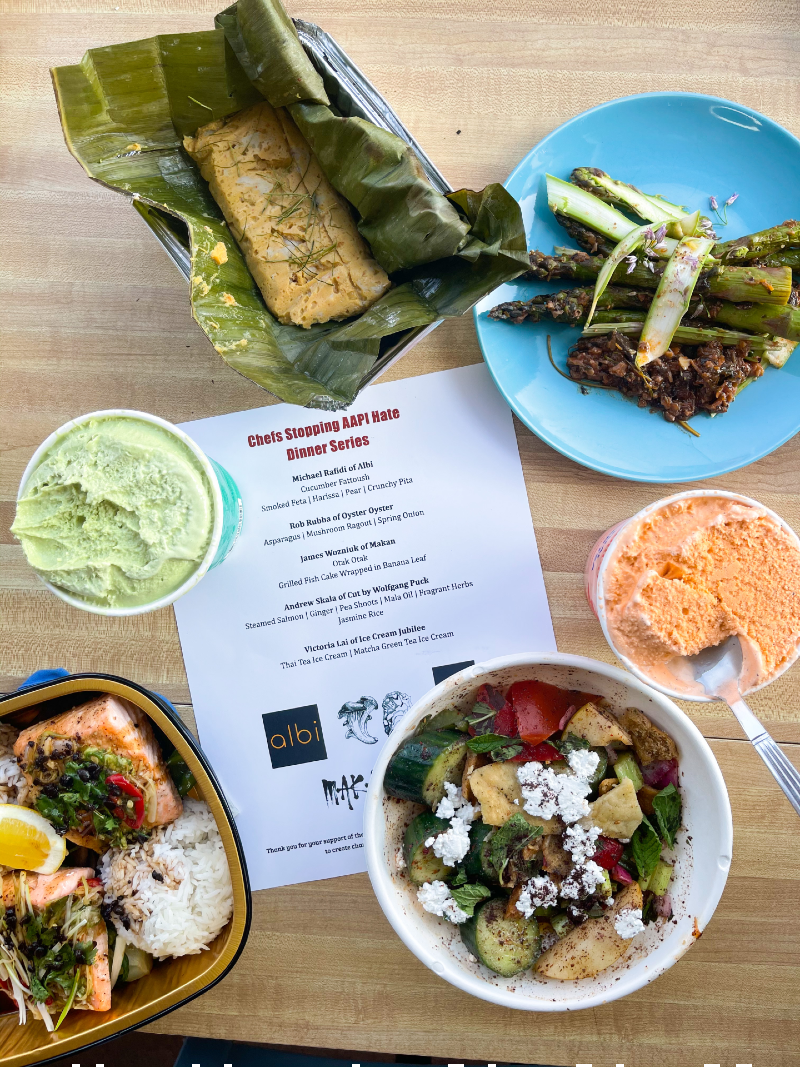
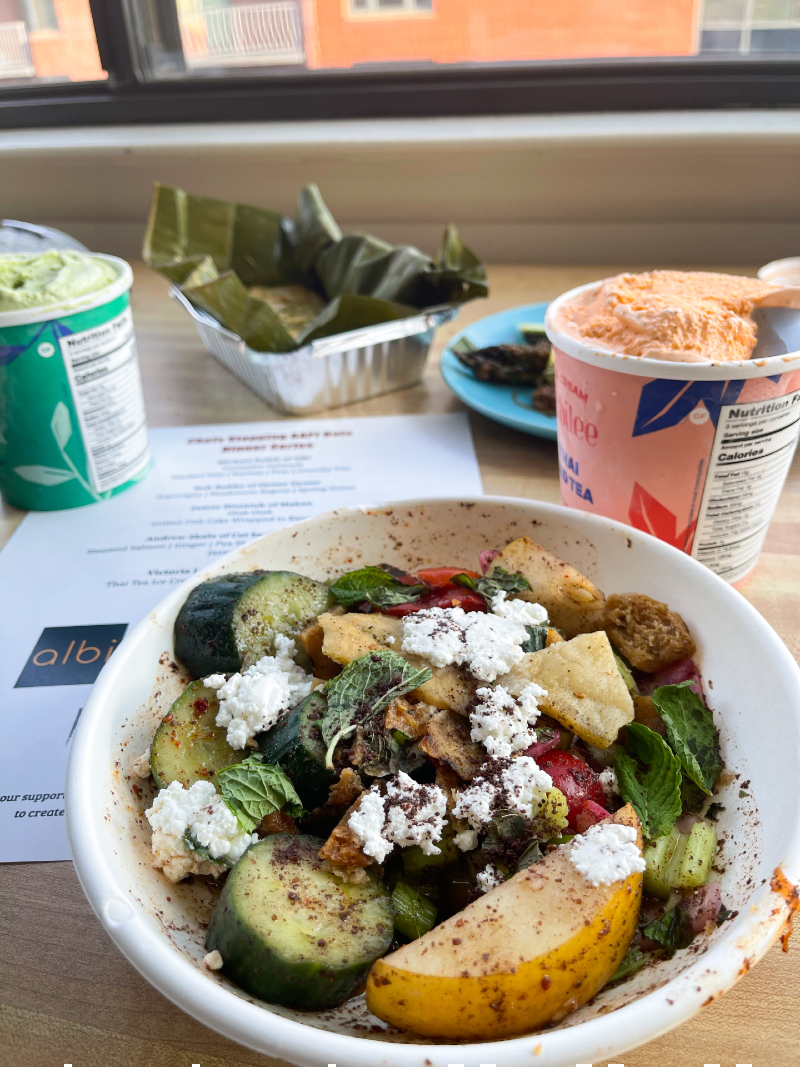
    Explore my dinner.

    Menu:

    Asparagus, mushroom ragout + spring onion from Rob Rubba of Oyster Oyster

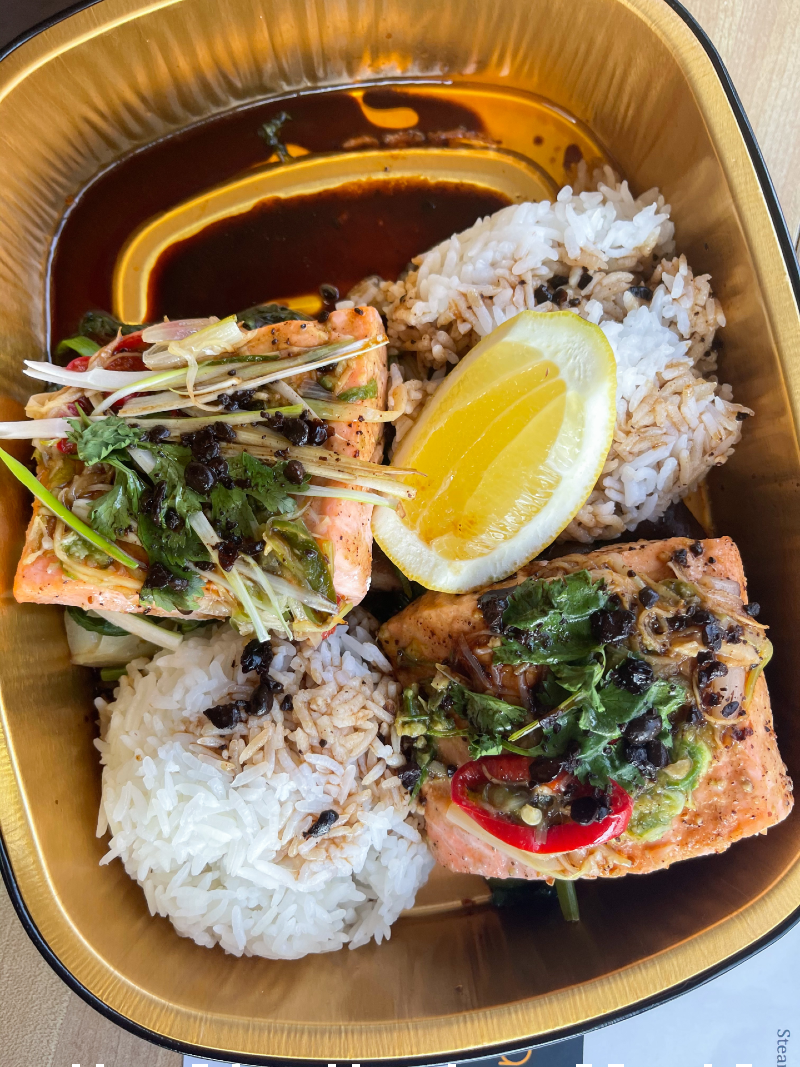
    Steamed salmon, ginger, pea shoots, black sesame sauce + jasmine rice from Andrew Skala of Cut by Wolfgang Puck

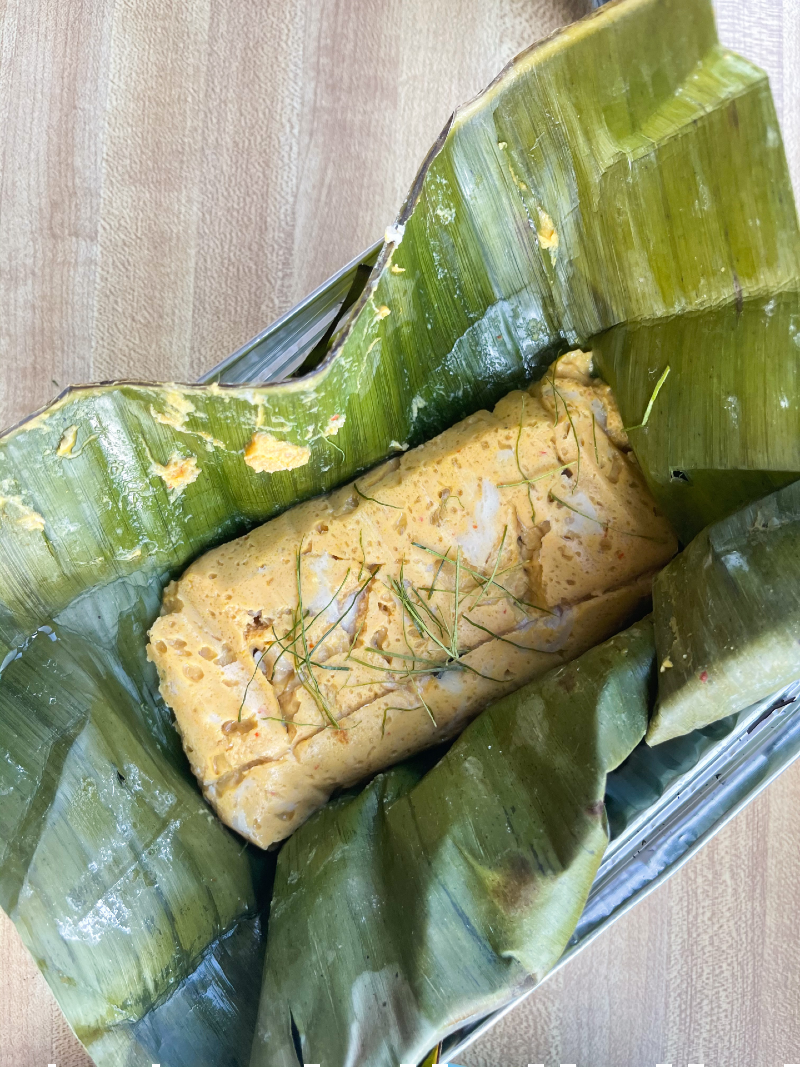
    Otak Otak, or grilled fish cake wrapped in banana leaf, from James Wozniuk of Makan

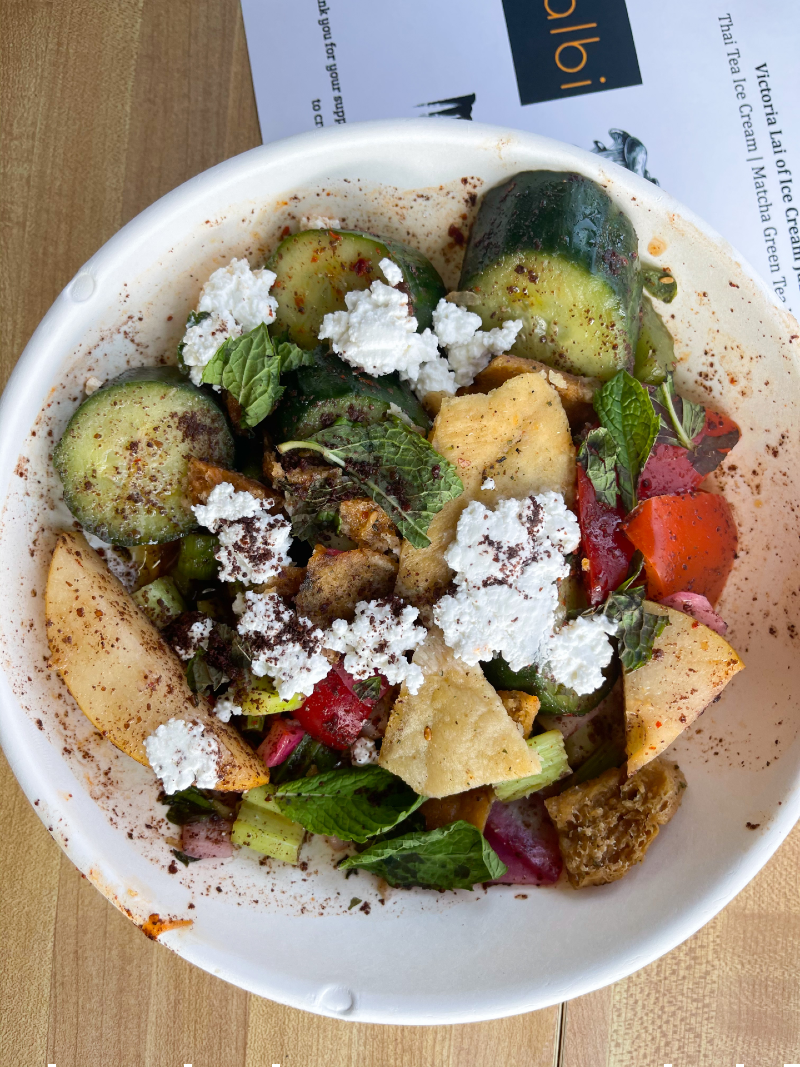
    Cucumber fattoush, smoked feta, pear + crunchy pita from Michael Rafidi of Albi 

    Matcha green tea ice cream by Victoria Lai of Ice Cream Jubilee

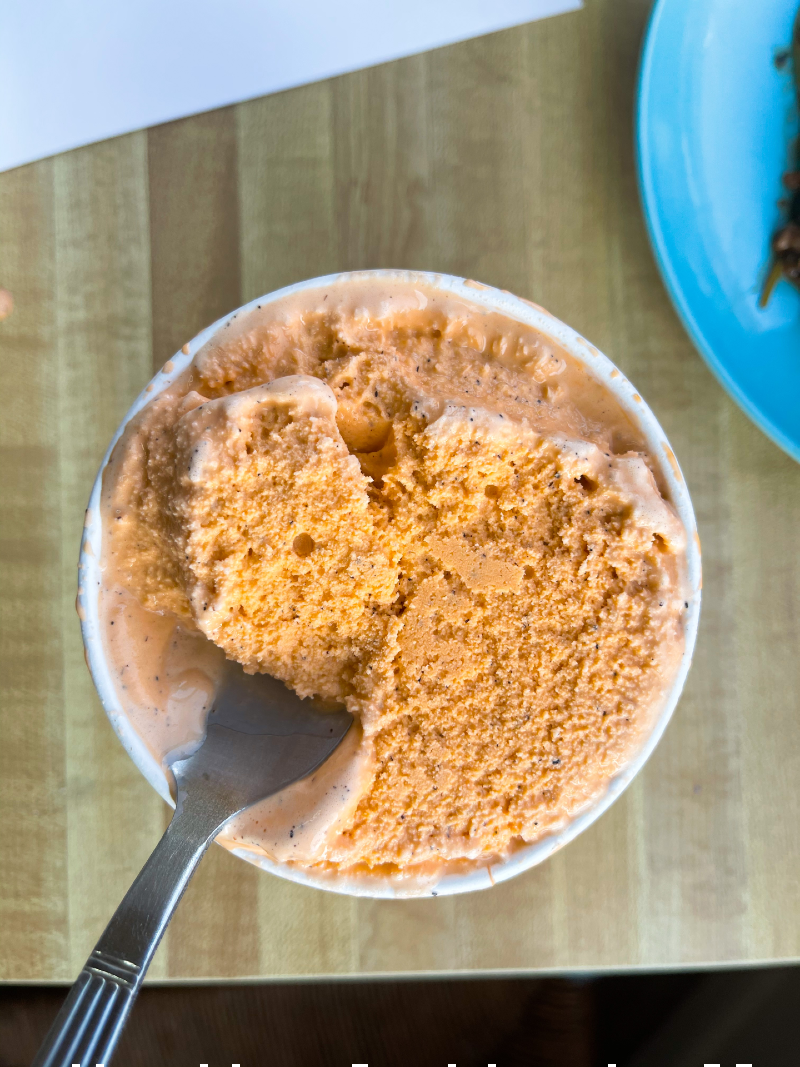
    Thai tea ice cream from Victoria Lai of Ice Cream Jubilee

    Looking for a ticket to the last dinner?

    DON’T FORGET! It’s your last call to experience this amazing dinner from local celebrity chefs for a great cause. Each ticket feeds two people, and pick-up is between 5-6:30 p.m. at Moon Rabbit.
    Here’s the menu for May 30:

    Kwang Kim of SHŌTŌ
    chopped cured Atlantic Salmon with shallots, chives, serrano peppers, chili mayo and micro cress, miso brioche bun

    Bradley Marlatt of Moon Rabbit
    5 spice porchetta, ramp relish and a compressed apple salad

    Jong Son of Tiger Fork
    Mian Bao Xia (shrimp toast) with fermented chili aioli

    Amy Brandwein of Centrolina
    Crab crepe cake, frisée ramp salad

    Caitlyn Dysart of Piccolina
    Coconut Rum Baba
    rum-soaked savarin, coconut cream, toasted almonds, cherry compote

  • BBQ to kick off the summer 🦐

    BBQ to kick off the summer 🦐

    Soak up the sun with a recipe from a New Orleans native-owned Louisiana style joint in the May edition.

    Welcome back to The Sunday Roast! Thank you to all of you who filled out my audience survey. I got some really valuable feedback and I’m grateful. I used a random name generator to pick Rhianna Kern as the lucky winner of the $20 Compass Coffee gift card, which I sent over after. I know she’s excited to get some delicious coffee and I’m excited to see what she gets! I’ll be keeping the survey open for about another month to hopefully get some more responses, but for now, the raffle is closed. 

    This month: Back in March, I had foolishly reached out to a Louisiana hotspot just before Mardi Gras to ask if they would have time to be featured. Obviously, they were too busy, but we decided to reconnect for a May feature and now here we are! I’m thankful they took the time to circle back and work with me on this month’s edition. I’ve been to this local mainstay a couple times, usually in March around Mardi Gras, and their pastries and cocktails are unbelievable. The recipe they chose to feature, however, is a bit more suited for the nice weather outside and any grill you may have access to fire up. 

    A note on receiving emails: Make sure to add my sending address to your address book to avoid the newsletter regularly ending up in spam. I found this helpful article to walk you through adding me as a contact in Gmail that will hopefully help.

    Meet David.

    Photo courtesy of David

    When Chef David Guas thinks back to his earliest memory of cooking, he thinks about grilling burgers with his father and grandfather. David comes from a family of Cuban descent that took grilling very seriously, so being handed the tongs was a rite of passage. Choosing a recipe that utilized the grill for The Sunday Roast was only natural! What he’s really known for, however, is specifically his master of Louisiana cooking. He cherishes the memories of cooking with his Aunt Boo and learning the fundamentals of a homestyle cooking he’s known for years later, from the roux to the Holy Trinity (celery, onion and bell pepper), which may seem simple, but according to David, they require much patience, finesse and technique. 

    He soon began his career as a professional cook as a pastry chef at the Windsor Court Hotel in New Orleans under the wing of Jeff Tunks, the executive chef at the time. Jeff then helped begin Passion Food Hospitality in D.C. in 1998, and took David along for the ride. He helped opened several restaurants with the group and began a solo career with his first cookbook, DamGoodSweets: Desserts to Satisfy Your Sweet Tooth New Orleans Style. Then, in 2010, Guas made the leap to open a place of his own, his New Orleans-style eatery, Bayou Bakery, Coffee Bar & Eatery. Both of those major milestones were inspired after Hurricane Katrina erased many of the neighborhoods David had grown up in. When the devastating event brought back memories of his childhood, David’s career shifted to focusing on preserving and recording those memories, most of which revolved around food.

    Recipes and traditions from home are what inspire David every day to celebrate the uniqueness of New Orleans. Operating the only New Orleans native-owned Louisiana eatery allows David to share the cuisine that defines his home state and the South, but while using local produce and products from Virginia. NoVa is now what David calls home, so the eatery anchors him to his roots while showing off what his new home has to offer. And now he wants to offer that to others with not only good food but a community gathering place with a sense of belonging.

    Discover David’s Instagram.

    Discover the bakery’s instagram.

    The story behind his recipe.

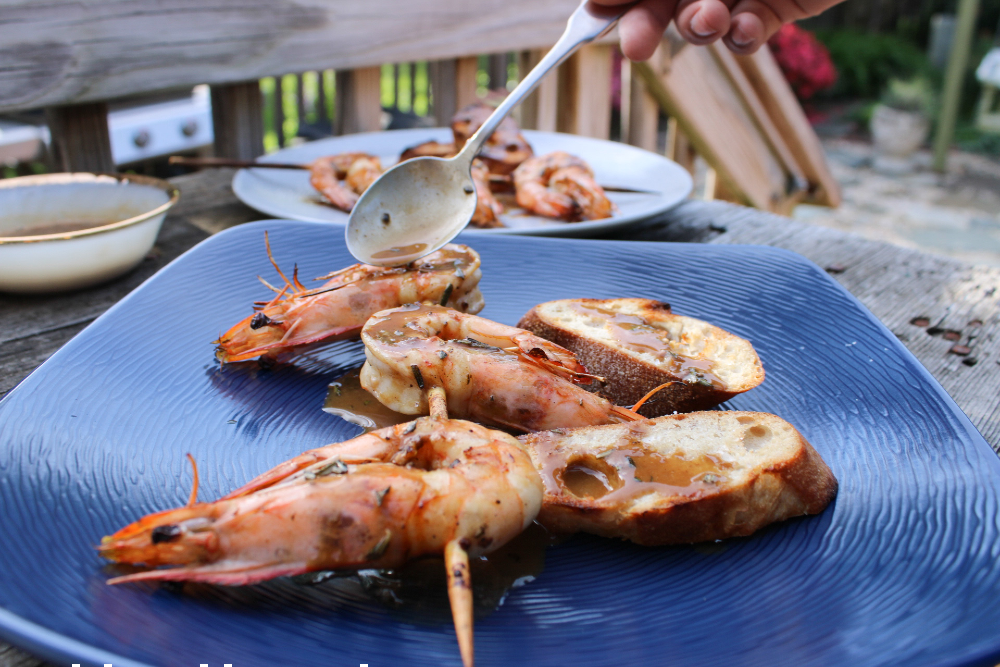
    Spooning that buttery sauce aaaaall over everything.

    It’s only fitting that David shares a recipe packed with flavors that emit nostalgia and the sense of home. His restaurant speaks to his original home, New Orleans, so that transplants like him can feel right at home.

    His menu is a selection of delectable southern sweets and savory eats including pralines, beignets, muffelettas, gumbo, chicory coffee and Abita beer. David brings not only the flavors of New Orleans to the DMV but the spirit of the city, too. Many people know the pockets of neighborhoods that have reached celebrity status, like the French Quarter, but David wants to show off something local, that radiates New Orleans’ charm, in the forgotten corners of the city.

    But don’t worry, David still celebrates one of the more famous exports of the city: Mardi Gras. The holiday is typically all about celebrating and gathering with people,

    but since this year was different and people could not really gather for the holiday, Bayou Bakery put a twist on its annual extravaganza. Just as they continue to do during the pandemic with loads of to-go options, the eatery’s “krewe” brought the “pardi straight to your door,” as David puts it. The box included a murder mystery game, beads, masks, doubloons, a boa,

    hurricane mix and a DIY decorating kit.

    What the iconic Arlington mainstay is up to is always an important update, but onto the recipe now.

    This recipe comes from another one of David’s cookbooks, Grill Nation: 200 Surefire Recipes, Tips, and Techniques to Grill Like a Pro.

    David says the original story behind this recipe started with Chef Pascal Manale of the famous century-old restaurant, Pascal’s Manale. The story goes something like this: a customer came into Bayou Bakery after a trip to Chicago and described the most incredible shrimp dish he had ever tasted.

    So David got to work and sautéed some shrimp in garlic, Worcestershire sauce, black pepper and a lot of butter. But, while the man told him it was
    nothing like the dish in Chicago, this dish is special to David. The smell and taste of this recipe instantly brings him back to his childhood in Aunt Boo’s kitchen in Abbeville, so he’s hoping to share that nostalgia with you.

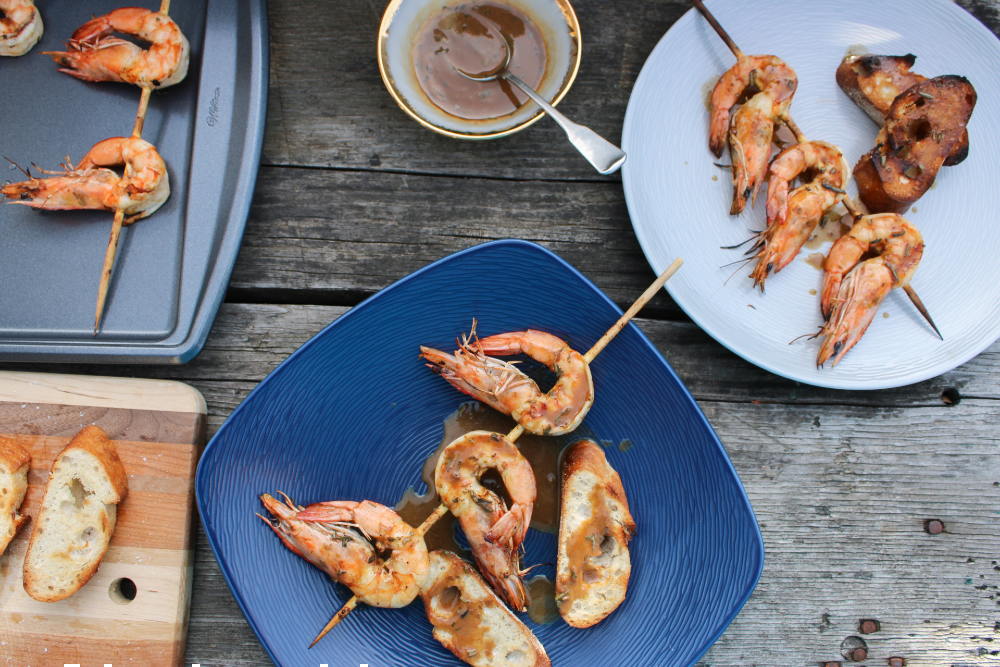
    Fire up the grill and get ready for that sunny weather with some shrimps on the barbie.

    Processing…
    Success! You're on the list.
  • A traditional family recipe ❤️

    A traditional family recipe ❤️

    Fry up a Filipino dish with sauce from a home-based chef in the April edition.

    Welcome back to The Sunday Roast! It’s (again) been a long month with highs and lows, but I’m still working to grow this newsletter, and I’ve now reached125 subscribers! So, please don’t forget to fill out this survey for audience feedback. I need more input on how I can evolve The Sunday Roast, so I extended the deadline until May 1. There’s a little incentive for you to take the 6 to 10-minute survey as well; each person will be entered to win a $20 gift card to Compass Coffee (or we will coordinate another business if you’re not located in D.C.) 

    This month: After reflecting on the horrific rise of violence and discrimination against AAPI people in the U.S., I set out to consciously support AAPI-owned businesses more frequently. And since I spend a lot of time on Instagram, I found influencers featuring those local eateries, home-based businesses and ones out in the suburbs. The person behind of my favorite accounts, titled Ninja Grubs, actually doubles as an uber talented home-based chef as well. I reached out to Maria and she was happy to talk about one of the prime products on her menu: lumpia. 

    Meet Maria.

    Maria wears many (chef) hats as the face behind both the iconic D.C. food blog Ninja Grubs and her home-based catering business specializing in Filipino food, Dine with Claudine. After training as a chef at the prestigious Culinary Institute of America, Maria first started Ninja Foods to document all the food that she ate and made during her time there. She kept growing the account as she’s spent the last seven years in the food industry, and she’s now got over 2,700 followers watching her videos and following her DMV restaurant recommendations! Maria says she always loved taking pictures so se was glad that people liked to follow her journey throughout her career. 

    You may be wondering why her business, then, carries a different name. Maria’s middle name is Claudine, and only her family calls her by that name, so to make her business more intimate, she named it Dine with Claudine. Maria says she wants her customers to have a dining experience like they are a part of her family. She has been catering with her business here and there for a couple years, making wedding cakes, cupcakes and Filipino food for friends and family — and we’ll dive more into her Filipino heritage with the recipe story below.

    But once the pandemic hit, Maria had to figure out how to adjust and decided to start selling her hit food from her home. She started a pick-up service selling frozen Filipino foods, sauces, baked goods and more, which she says she’s been doing for the majority of her time. Her biggest priority is to keep socially distanced and have everyone stay healthy while still providing that part-of-the-family experience. Maria says she had become more aware of her surroundings and become even more of a “clean freak” as a result of the pandemic. As a private chef, she’s always looking for more ways to improve her cooking, but not having access to a big industrial kitchen does present challenges when it comes to catering for bigger events. Once the season gets warm and things reopen a bit more, she’ll have more events for sure.

    Discover her business’s Instagram.

    Discover her food blog.

    The story behind her recipe.

    Maria grew up eating Filipino food. Plus, different Asian cuisines are her favorite to eat and make as a chef.

    As a result, she decided to offer Filipino food on her menu at Dine with Claudine. Maria says she wants more people to know the not only the different flavors that Filipino cuisine has to offer, but also the culture, the way they eat and the certain practices revolving around food. She can share the knowledge of Filipino cuisine and culture through her curated menu at her company.

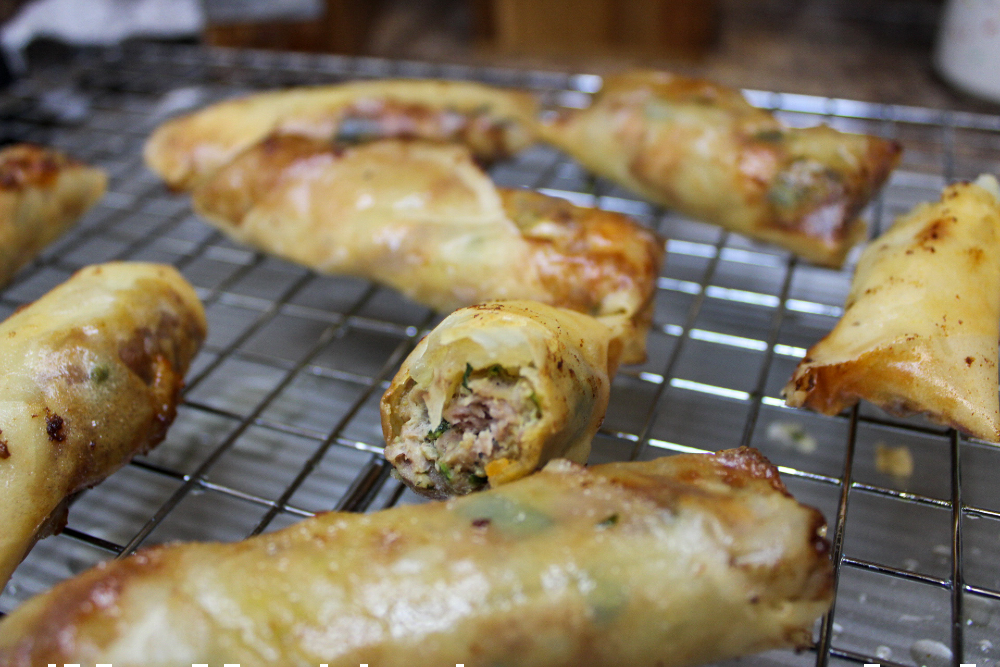
    Growing up, her family would make a traditional Filipino egg roll, that typically comes filled with a ground pork mixture or matchbox vegetables, for nearly any family gathering or holiday.

    Now, this roll — called lumpia — is one of the main products Maria offers for her pick-up service since, she says, she loves to make and eat them. She, of course, offers the pork and veggie flavors, and she commented that the pork ones are “a classic and pork in general is a big thing with Filipinos. We love pork.” The vegetable lumpia are also a traditional recipe that’s simple but always delicious.

    As an example of her creativity, Maria also developed a lime chicken lumpia that’s a play on a chicken dish her boyfriend’s family.

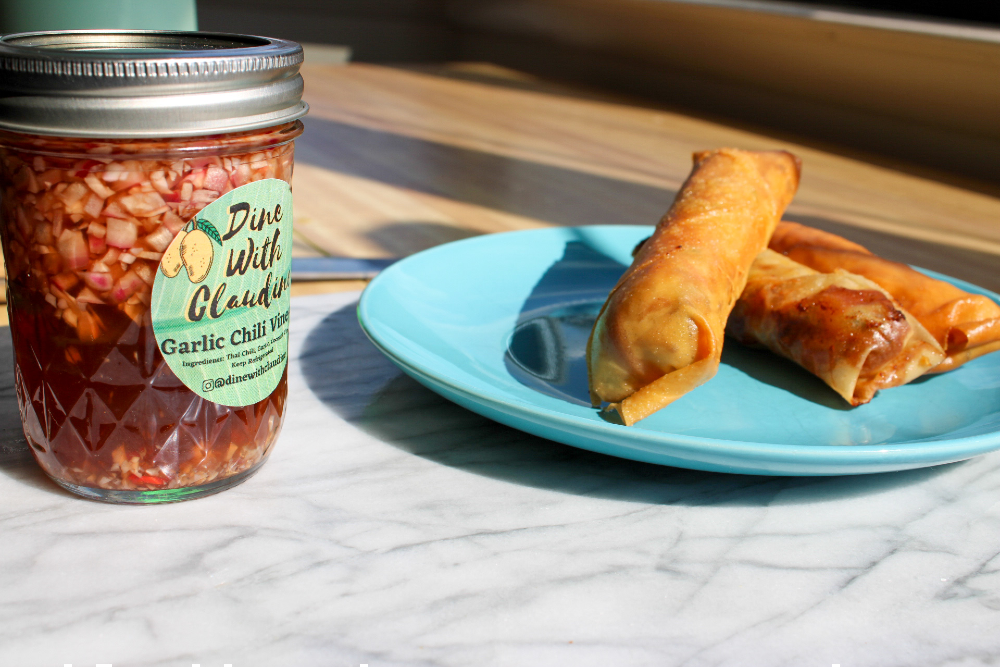
    The creative flavor is a simple braised chicken that’s packed with a ton of lime juice. In addition to her frozen lumpia, ready for frying, Maria sells jarred garlic chili vinegar to dip your lumpia in. The sauce is packed with onions and vinegar flavor, and pairs especially well with the pork since it cuts through the fat.

    Maria does offer other options on her menu, including gorgeous so-called grazing boxes.

    She says she used to be in charge of the charcuterie boards while working in catering, so she’s always loved making pretty-looking food. She’s also able to express her creative side through the grazing boxes on her menu, which are also easy to share with friends and family, playing into her mission to make you feel like part of the family.

    If you’re looking for something sweet to round off your meal filled with lumpia, Maria also offers unique Filipino cuisine-inspired baked goods. So far, she’s sold pandan mochi crinkle cookies and pandan tres leches cake,

    both made with an extract from the leaf of a tropical plant. She says her most popular item has to be the crinkle cookies after she made it as part of the variety cookie special during the holidays. Maria used to only make dessert when baking at home for family and friends, so she’s glad she gets to showcase a different set of skills through her baked good offerings at Dine with Claudine. 

    As an AAPI business owner, Maria has participated in fundraising for the Stop AAPI Hate organization in the last few months through a raised awareness of discrimination Asian-Americans face.

    She said she saw a bit of an impact from people from all over the DMV making an effort to support AAPI-owned businesses when selling her baked goods during Bakers Against Racism nationwide bake sale, “In Adversity We Bloom.” Then, Kam and 46, a DMV-based caterer and food truck offering Hawaii and Filipino fare, asked to collaborate with Maria’s business on a pop-up with their truck. Maria is truly a rising star and you 100% should support her business. If you end up getting supplies to make her lumpia, then definitely order her garlic chili vinegar for a dipping sauce option — also great for making a vinegar-based coleslaw!

    Try lumpia as an appetizer for your next family gathering or dinner party

    Processing…
    Success! You're on the list.
  • A cake with a cause 🍰

    A cake with a cause 🍰

    Bake rich carrot cake from Cleveland Park joint, Medium Rare, and learn more about their humanitarian efforts in the March edition.

    Toasted walnuts, rich cream cheese frosting and spiced carrot cake. What more could you want?

    Welcome back to The Sunday Roast! It’s been a long month with highs and lows, but I’m so incredibly thankful to say that we’ve reached 121 SUBSCRIBERS! I feel so blessed to see my hard work pay off and I sincerely appreciate all the support. My goal is to continue to put as much energy and time into crafting quality content for my newsletter, website and Instagram for you guys so we can engage more often. So as a result of that goal, I’ve launched a survey to get audience feedback on how I can grow and evolve The Sunday Roast from here. There’s a little incentive for you to take the 6 to 10-minute survey as well; each person will be entered to win a $20 gift card to Compass Coffee (or we will coordinate another business if you’re not located in D.C.) So please take the survey, found here, before April 11! 

    This month: I revisited a college favorite of mine and coordinated a time to Zoom chat with the co-founder and owner of Cleveland Park’s very own Medium Rare. The steak and frites restaurant has a delicious bottomless concept that is unmatched, and their decadent desserts are just to die for. I couldn’t convince Mark Bucher to give me their top-secret sauce recipe, but he was kind enough to share a dessert. Scroll down to read more about the restaurant and Mark’s humanitarian efforts. Plus, I’ve been working hard to step-up my Instagram content, so make sure to follow and check out my recipe reels, including one for this month.

    Some background: In a monthly newsletter, I combine a DC local’s story behind their favorite recipe(s), or ones that whip up some nostalgia, with photos and prose of my attempt at replication. These recipes vary in difficulty, but they are always ones close to the heart. This newsletter is sent on the third Sunday of each month as the name suggests.

    A fun note: Make sure to mark this email as NOT spam, move it to your inbox or add my sending address  to your address book to avoid the newsletter regularly ending up in the abyss. Sometimes Mailchimp email campaigns go straight to spam. 

    ALSO: I’ve noticed people have had issues with receiving my email, so I found this helpful article to walk you through adding me as a contact in Gmail that will hopefully stop the spam folder filtering.

    Meet Mark.

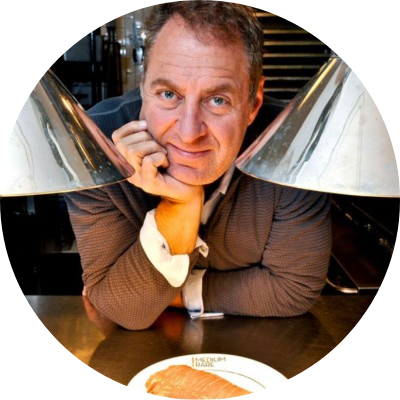
    Mark is an entrepreneur through and through. He first met his Medium Rare business partner, Tom Gregg, when he was starting BGR the Burger Joint, and Tom needed help winning back a major customer for his food manufacturing company. Through teamwork, the two managed to wine and dine the customer, and in turn, formed a business relationship between the two future founders of Medium Rare.

    Then came the idea for the restaurant. Tom moved to Paris for a year, and when Mark came to visit, he took him to a family favorite restaurant that served only steak and fries. After seeing the line to get a table snake down the street, the duo decided they should open a similar restaurant in D.C., since they hadn’t seen anything like it. They put in the work, found a location, hired their staff and opened Medium Rare in Cleveland Park by the end of March 2011. The beloved joint, which has been open for just about a decade and has two more locations, now serves bottomless culotte steak and frites with their super special sauce for a flat fee in a neighborhood friendly environment. The steak meal also includes bread and salad, and their menu expands with a vegan friendly portobello option. And don’t forget their famed brunch dishes of french toast and eggs benedict with a steak and portobello hash. Mark says that being a restaurant owner can be quite a difficult, yet rewarding job. He wears many hats — about five or six — including a retailer, manufacturer, distributor, HR, marketer and advertiser. But the best part about owning a restaurant, according to him, is being a part of the community. Medium Rare and its staff have developed a special relationship by being a mainstay in the neighborhood for a decade now, and it shows. Mark mostly enjoys watching customers come for birthdays, graduations, weddings, anniversaries and more. Seeing people come to celebrate life has brought him unmatched joy, and that’s what given him joy in the last year through hard times. 

    Discover the restaurant’s website.

    The story behind the recipe.

    Most guests at Medium Rare finish off their dining experience with a dish to satisfy their sweet tooth. Mark says the two most popular desserts on their menu are the house specialty hot fudge sundae and the six layer carrot cake, and he was kind enough to share that carrot cake recipe with me. He says it’s the first time he’s shared the recipe outside of the kitchen. I did ask about the special sauce, however, Mark turned me down gently.

    The creamy, mushroomy sauce is salty and simply to die for, but it is top secret. Mark says customers on the daily beg for the recipe, but they hold it close. Only two people in the whole world know the recipe to that sauce: Mark and Tom. The two worked together to develop something “craveable” through trial and error until they perfected it. Now, Mark says the two owners carefully engineered a process to avoid anyone else figuring out the recipe. They have suppliers send in the ingredients in specific buckets so that none of the staff know what they contain, and they then mix it.

    And the secret to the carrot cake? Freezing the cake layers overnight right after popping them out of the pans. It locks in the moisture and makes sure that your cake will be absolutely perfect in that first bite. Don’t worry, the cake will thaw just fine as you’re thawing it and for a few minutes after. I think this tactic definitely made sure the cake didn’t dry out and was the perfect texture to marry with the whipped cream cheese frosting.

    Making the carrot cake in house with prime ingredients and a few special tricks makes it that much better than other recipes you may find online. Mark also pointed out that they roast the walnuts and rehydrate the golden raisins a bit to keep the textures and flavors more interesting. The cake, as a result, is bursting with fresh raisins and has a nutty tone in addition to all the warm spices. Normally, carrot cake can be quite dense, especially paired with a heavier cream cheese frosting, but this cake is still light and fluffy with a decadence unmatched. That may be due to the freezing technique and the whipping of the cream cheese frosting to incorporate some air. Overall, each bite is nostalgic and full of flavor.

    And now, the neighborhood haunt has changed a bit during the pandemic. Mark says that like every other restaurant, they have had to get creative to continue to stay afloat.

    Expanding outdoor seating, cutting down on in-house seating and starting a venture to ship their special sauce nationwide so customers could enjoy it from their home. And while the changes have been scary, Mark says, they eventually realized they had two options when things shut down and customers were staying at home: fold or go out fighting. So Medium Rare adjusted what it could and kept fighting through a historical pandemic that forced hundreds of businesses to close in D.C. alone.

    In addition to those adjustments that have kept the restaurant open, Mark launched a more charitable side to the business. Medium Rare has become well known during the pandemic for its humanitarian efforts to feed D.C. residents and to combat food insecurity. Mark’s We Care nonprofit and Feed the Fridge project were started as a way for him to support the community that supports him.

    Feed the Fridge in particular is a project that works with local government agencies and restaurants to stock community refrigerators with healthy, restaurant-quality meals in public spaces. While the program is geared towards school-age children, the meals are free to everyone. We Care provides about $6 per meal to restaurants that donate the meals, served hot or cold, which include a protein, a starch or carbohydrate and a vegetable. Mark says the project has expanded and continued to be successful as an innovative way to address the food insecurity that has only gotten worse during the pandemic.

    He’s also continued to cook and deliver meals to elderly residents above 65 throughout the District as a way to help the at-risk population avoid any possible exposure, a program started during the pandemic.

    Medium Rare has cooked turkeys for Thanksgiving and delivered other special holiday meals over 33,000 times. Which is quite the success, but also a stark reminder of how many people struggle daily with figuring out where to get their next meal, Mark says. So while he runs Medium Rare as the successful restaurant, he’s still giving back to the community behind the scenes.

    Impress your family and friends with this decadent carrot cake recipe.

    CLICK HERE FOR ALL THE PAST RECIPES

    Processing…
    Success! You're on the list.
  • A bakery after her own pup🐶

    A bakery after her own pup🐶

    Snag delicious, classic Italian goodies right in the heart of D.C., or learn one of the recipes in my February edition.

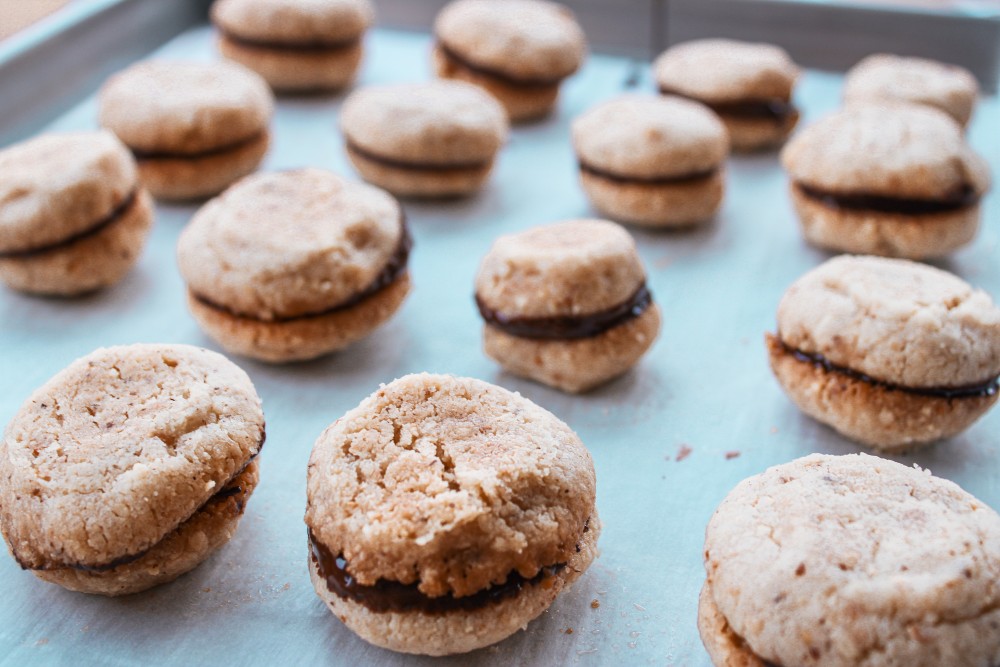
    Chocolate and hazelnut and cookies — what could go wrong?

    Welcome back and happy Black History Month/Valentine’s Day/Mardi Gras! It’s been a long month so far, but I’ve managed to fill it with lots of delicious meals, snacks and goodies. I even tried out a protein cheesecake recipe, which sounds like it may not taste indulgent, but I promise it was. And now, despite all the brownies, ice cream and King cake I have in my kitchen, I’ve decided to continue to bake, since that’s my happy place. 

    This month: I decided to stay close to home and reached out to a local bakery about a 5 min. walk away from my apartment. The welcoming storefront with an adorable bright yellow dog decal drew my eye, and turned out to be a unique bakeshop offering traditional Italian pastries, which I include a recipe of below. Also, I’ve decided to dedicate myself to crafting more content for you guys as well, especially on my Instagram, so please feel free to send me or comment any feedback you may have — and please like, share, save and comment so I know if you like it! My first reel of the baked feta pasta trend went pretty well so I’ll keep experimenting with those. Finally, I would still love to hear from every one of you on what you expect to see in the new year.

    Some background: In a monthly newsletter, I combine a DC local’s story behind their favorite recipe(s), or ones that whip up some nostalgia, with photos and prose of my attempt at replication. These recipes vary in difficulty, but they are always ones close to the heart. This newsletter is sent on the third Sunday of each month as the name suggests.

    A fun note: Make sure to mark this email as NOT spam, move it to your inbox or add my sending address  to your address book to avoid the newsletter regularly ending up in the abyss. Sometimes Mailchimp email campaigns go straight to spam.

    Meet Miranda.

    When you first spot Nino’s Bakery on L Street NW, the first thing you spy is the giant yellow dachshund decal. The namesake of that decal and the bakery itself is Miranda’s 16-year-old dog, Nino, who she says is blind but has quite the sniffer. Miranda adopted Nino when he was 6 in Italy, and they lived together in Milan nearby loads of bakeries and cafes. While Nino couldn’t see, he sure could smell, and he would insist that the two of them stop into each bakery wafting out scents of pastry. Miranda said Nino has definitely also taste tested pastries throughout his years, so one could say he’s an expert worthy of a bakery after his name. Miranda had lived in Italy for her final tour in the Foreign Service, in which she served for nine years. Prior to that, she was stationed in Afghanistan, which led her to decide to get a dog for company. She took Nino everywhere with her, and then she decided to move back to the U.S. and settle out of the service with a new career path. 

    Before she did, she decided to study the pastries she and Nino so loved in cafes. She took a pastry course on Saturdays, which required a competency test at the end administered by the Italian government, and she learned how to make old-fashioned European pastries. Once she arrived back in the U.S., she went to Chicago for a nine-month course at The French Pastry School. The school, she says, is run by two French chefs who make students learn the fundamentals of making a perfect pastry, with no shortcuts. She credits the two methods that she now blends at her shop for her ability to make an amazing pastry that she can then experiment with flavors.

    When she moved back to D.C., Miranda found there weren’t many traditional bakeries offering the types of pastries she had mastered, so she opened Nino’s! The bakery may not churn out thousands of pastries each day, but Miranda assures you that each croissant is freshly homemade with only the best ingredients since she focuses on quality over quantity. She’s the sole owner still up to arms in butter and flour in the kitchen. The bakery first offered everything traditional Italian, but then Miranda realized most customers loved her croissants, so she pivoted to focusing on those. Her buttery croissants have unique flavor offerings, such as her favorite, chocolate hazelnut, or the customers’ favorite, almond, and they take three full days to make. That process includes a dough made with flour, salt, sugar, water and yeast layered meticulously with European butter using a sheeter that turns the pastry properly. Miranda credits a proofing machine for helping craft the ideal environment before she bakes her croissants. The end result? A perfectly flaky croissant.

    Discover her website.

    And her Instagram.

    The story behind the recipe.

    But Nino’s isn’t all croissants, as delicious as they may be. Miranda does still bake plenty of French desserts, such as macaroons, and Italian desserts, like these classic Baci Di dama cookies. These types of desserts are better after lunch snacks for workers headed back to their job who may need to satisfy a sweet tooth in the simplest way.

    Miranda chose to feature these cookies, she says, because she grew up eating them in an Italian American household, so they’re a bit nostalgic for he

    The cookies are a traditional Italian dessert known throughout the country, and they’re made with simple yet quality ingredients to create a quality cookie. Each ingredient is actually the same measurement (except the chocolate). The easy recipe is well worth your time, with the end product of a delicious, addicting cookie that is the perfect size — not too big, but not too small. 

    One of those ingredients is a bit hard to find, however. Hazelnut flour is not typically widely sold in grocery stories, and I didn’t have the time to wait for it from Amazon.

    I ended up going the old-fashioned route and roasting, peeling and grinding up hazelnuts in a food processor until I got a meal I could use. It was honestly a very rewarding process, resulting in what I think is a crunchier cookie made with more love, and I even got a chance to make a little bit of homemade Nutella. The process didn’t add much time on, so I highly recommend making your own hazelnut meal as well. This recipe linked here is what I loosely followed to make my own.

    Miranda says that her customers at Nino’s used to be loads of those office workers taking a break from their job nearby since the bakery does have a location downtown, where there aren’t as many residences (except for me).

    With the pandemic switching that customer base to at-home workers that now may live nowhere near the pastry shop, Miranda has had to adjust a bit, like most businesses and restaurants in D.C. Nino’s used to just be open 8:30 a.m. – 12:30 p.m. Monday through Friday for those downtown Washingtonians, but now it’s harder to trek across the city during typical work hours while in your home office, so Miranda expanded to Saturdays. She says that’s now their busiest day of the week!

    And since the bakery is a smaller storefront, there’s no seating inside to help keep the staff healthy and safe and still slinging out fresh pastries.

    That means Miranda expanded to more delivery and online ordering for customers to have less contact and allow the bakery to prepare and stagger out orders. Since the croissants and other pastries do take a few days prep time, the online ordering does also help Miranda better plan how much to bake, whereas sometimes it can be a guessing game for how many they’d need in their cases throughout the day.

    It’s hard to say what Nino’s and other businesses will look like after the pandemic, she says, because workers may continue to stay home and dependent on delivery services, but those same services do charge the businesses an arm and a leg. On the other hand, Miranda thinks people may be very excited to, finally, safely go outside. 

    Bake your own classic Italian cookies with this recipe.

    CHECK HERE FOR ALL PAST RECIPES

    Processing…
    Success! You're on the list.
  • Delicious takeout with a deal and for a cause 🍴

    Delicious takeout with a deal and for a cause 🍴

    Add Immigrant Food to your list for D.C. Restaurant Week! Or make my copycat recipe featured in this January edition.

    I’m already craving leftovers…

    Welcome back and happy January! This month has been super long and a bit hard, but we’re now at the end. And I’m celebrating kicking off 2021 (mostly) successfully by allowing myself to order takeout at least twice during the ever-delicious Restaurant Week. I’m sure many of my readers in D.C. are contemplating which restaurants to order from (or you already may have enjoyed a meal!), but let me implore you to read the story behind a resilient restaurant with a noble cause and then promptly schedule an order for their dinner deal. And if you can’t decide on what to order, rest assured you will find a copycat recipe from me below to satisfy any additional cravings.

    This month: I struggled for a bit to find someone who was available to talk with me and then I saw promotions for Restaurant Week and it all just clicked. The restaurant I most wanted to order from during this amazing promotional event was the perfect subject, and I was lucky enough that they were happy to participate! Scroll down to read more on Immigrant Food and their inspiring mission, and how they’ve been impacted by not only the pandemic but prolonged downtown D.C. closures. Finally, I would still love to hear from every one of you on what you expect to see in the new year.

    Some background: In a monthly newsletter, I combine a DC local’s story behind their favorite recipe(s), or ones that whip up some nostalgia, with photos and prose of my attempt at replication. These recipes vary in difficulty, but they are always ones close to the heart. This newsletter is sent on the third Sunday of each month as the name suggests.

    A fun note: Make sure to mark this email as NOT spam, move it to your inbox or add my sending address  to your address book to avoid the newsletter regularly ending up in the abyss. Sometimes Mailchimp email campaigns go straight to spam.

    Meet Téa and Immigrant Food.

    Courtesy of Immigrant Food.

    Téa is the co-owner and director of communications and outreach at Immigrant Food, a downtown D.C. establishment that doubles as an organization meant to increase awareness and education of immigrant communities in the nation’s capital. The cause-casual restaurant offers a unique experience with two menus: one full of cuisine-fused bowls, sandwiches and drinks, in addition to an engagement menu, which customers can choose options from volunteering, events to donations. Chef Enrique Limardo and co-founder Peter Schechter, among the others on the team, come from an immigrant background and all, while being policy wonks, decided to celebrate all that immigrants have to offer by combining education and food into one restaurant. They “offer fusion bowls that crashed together the best of each gastronomy,” while “raising public awareness of [NGOs’] work and support them by channeling donors, volunteers and providing space to meet special needs.” Even though the restaurant was opened during an administration with anti-immigrant rhetoric at a high, Téa promises that they will not become complicit during the new administration since now it’s more important than ever to talk about the contributions immigrants can bring to America.

    Immigrant Food opened up about five months before the pandemic was in full effect in the U.S. The restaurant was opened to acclaim since its fusion bowls came with a cause, but the pandemic started to hit Immigrant Food early because of its not quite residential location. To their left, the White House, and to their right, international institutions whose workers had already experienced some of the worst of the pandemic and were already working from home, so foot traffic decreased significantly. Then, in March, things got really difficult as most people avoided downtown D.C. while telecommuting, and the restaurant only had a 3-mile delivery radius, making it difficult to push their takeout options to Washingtonians. Téa says that as a new business without much brand recognition or a loyal customer base, Immigrant Food suffered.

    Nov. 7 was one of the best days for their business as loads of people stopped in for sandwiches while celebrating the election called for Joe Biden near the White House. Téa says some tables even ordered champagne. Unfortunately, their location also has posed some problems as the Jan. 6 riot at the Capitol caused road closures as the National Guard moved in to make sure the Inauguration went smoothly. Téa says they struggled to get to the restaurant through several checkpoints and couldn’t even get food properly delivered. Some Washingtonians may have seen on social media that the team at one point loaded up suitcases full of potatoes, onions, tomatoes, chicken and more and rolled them through the streets to their door. Immigrant Food wasn’t able to deliver much in those weeks, and despite the Inauguration typically being a big business boost for the city and its restaurants, none really saw the added revenue due to closures. But she’s optimistic things are looking up with vaccinations and more.

    Discover their website.

    And their Instagram.

    The story behind the recipe.

    Because of it being fairly new to the D.C. food scene, Immigrant Food hadn’t participated in a previous Restaurant Week. Téa says they gave it a shot to bring in new customers since they hadn’t got a chance to get well-known before the pandemic hit. She also says the Restaurant Association of Metropolitan Washington, who runs Restaurant Week, has made it easy for restaurants around the city to participate this winter with seamless communication and special offers. One thing the team has learned from 2020 is that it’s hard to plan ahead, but if given the chance, they’ll likely participate in Restaurant Week again.

    Deciding on the special menu involved including some fan favorites, like their ode to the banh mi, the Old Saigon sandwich, and their Asian chicken wings, but Téa says they crafted a new bowl as well to welcome Kamala Harris back to D.C. as the vice president,

    and she highly recommends it to any first-time customers. The aptly named Madam VP Heritage bowl is the result of kitchen staff getting together to create a celebratory bowl full of Indian and Jamaican influence, to reflect Harris’ background. As someone who just ordered dinner and crafted my own copycat recipe of the bowl, I must say their food is delicious, fresh and innovative. The harissa hummus is to-die-for smooth and spicy, while the Old Saigon is deliciously crunchy, buttery and salty. 

    This bowl truly has everything, too, and that comes from the world’s biggest sweet and salty fan. The pineapple chunks on top perfectly balance the salty rice and smooth curry,

    with a fresh bite from the spicy peppers (which I translated to jalapeños) and chopped cilantro on top. The fried plantains were the icing on the metaphorical curry cake and added another hint of sweetness. Overall, I’d give this bowl a 10/10 (and my effort to recreate it probably an 8 since I’m sure it’s much better straight from the source) and I will be regularly making it from now on.

    In addition to the bowl on their dinner menu, Immigrant Food is offering free Agua de Jamaica with lunch orders and an added bottle of wine with any dinner orders. The wine comes their large selection of wines from off-the-beaten path wineries, like in South Africa and the Balkans, but is still just as delicious as your stereotypical Italian and Californian wines (with a more attractive price tag as well). As an added revenue source during the pandemic, the restaurant launched some corporate events as well, including wine tastings hosted by a sommelier in California that features their unique wines shipped straight to customers.

    The pandemic has caused many setbacks for the restaurant, including layoffs, but eventually they rehired back employees on commission as delivery drivers so they could reach customers in places like Bethesda. They also launched more delivery-friendly options, like their now-popular sandwiches.

    Other pandemic adjustments have included changing how they fulfill their “second beating heart,” or their mission, as Téa says. Now, instead of being able to offer and rent out their space to NGOs, Téa says Immigrant Food has a virtual engagement menu and helps with virtual events through sending out a monthly newsletter that included five ways to engage with immigrants. On top of that, they continued to run their digital magazine Think Table that makes wonky policy, typically hard to digest from Think Tanks, more engaging in everyday terms. They go in depth on specific issue and talk with experts, and past issues have included farmers, sanctuary cities and immigrants and the election, which involved a talk with Rep. Pramila Jayapal. The restaurant has also dabbled in DIY home cooking kits and different events involving food, comedy and expert panels.

    Try out a fusion bowl for lunch this week!

    Check here for all past recipes

    Processing…
    Success! You're on the list.