Thamee co-owner Eric Wang talks growing up in Japan and its influence for the September editiong.
Welcome back to The Sunday Roast! It’s the first month of fall (and my birth month), which means it’s my favorite time of year, even though the beginning of the month was rough for me. As some of you may already know, I tested positive for coronavirus and dealt with all the symptoms, including nausea, a fever, coughing and shortness of breath. After quarantining and resting for 2 weeks, I’m grateful my body fully healed and I can get back to working, exercising and just generally being a human being, albeit one that is social distancing and almost always wearing a mask. Thanks to everyone for their well wishes and movie suggestions!
This month: I’m super excited to feature a restaurant I’ve been following for awhile. I first noticed Thamee when Anela Malik, or FeedtheMalik, featured their paratha sandwiches and Burma takeout boxes on her Instagram and I knew it was a must-go kind of place. After some back and forth, I was lucky to secure the time of one of the co-owners, Eric Wang. Keep scrolling to read about his journey from a childhood in Japan to joining the restaurant business in D.C. Remember to check out all recipes and past month’s feature at my website. Also, my subscriber count is at 81, and I want to hear from every one of you.
Some background: In a monthly newsletter, I combine a DC local’s story behind their favorite recipe(s), or ones that whip up some nostalgia, with photos and prose of my attempt at replication. These recipes vary in difficulty, but they are always ones close to the heart. This newsletter is sent on the third Sunday of each month as the name suggests.
A fun note: Make sure to mark this email as NOT spam, move it to your inbox or add my sending address to your address book to avoid the newsletter regularly ending up in the abyss. Sometimes Mailchimp email campaigns go straight to spam.
Meet Eric.
Eric met his business partner and co-owner of Thamee, Simone Jacobson, on OkCupid of all places. He said they didn’t have a romantic connection but respected each other enough to become friends and one day, business partners. Simone approached Eric about working on a pop-up centered around cooking from her mom, Chef Jocelyn Law-Yone, specifically a Burmese dessert called falooda. He of course said yes, inspired by the fact that he was 10 years into a career in an industry he hated and had started making a habit of saying “yes” to things he had not done before. Eric considers that pop-up, part of the origin story on Thamee’s website, as his first step into owning a restaurant.
As partners, the two then opened a pop-up business, Toli Moli, in 2016 to critical acclaim, but according to Eric, zero financial success. Instead of calling it quits, they took a big step in opening Thamee, one of the first Burmese restaurants on the D.C. food scene. The inspiration was the amazement Eric felt the first time he tasted Jocelyn’s cooking, which had a comforting, yet familiar strange quality to it that he wanted the whole world to experience. So they opened a place that elevated Burmese home-style cuisines at a time when there were only similar restaurants in Silver Spring and Falls Church. Eric says inspiration aslo came from other area chefs elevating Southeast Asian food, like Chef Seng Luangrath of Thip Khao.
As the person who handles the financial, accounting, legal, compliance and administrative HR sides of business, Eric was honest that the pandemic has hit the rookie restaurant hard. In March, Thamee first closed to protest staff from catching the virus. Before then, Eric also worked expo and prep with kitchen staff a couple days of week, while also filling the coveted role of chief taster of food. Now, however, the restaurant has had to launch new initiatives to help sustain the business, including their Saturday Sammies pop-up with paratha flatbread sandwiches, and meal prep Burma Boxes inspired by friends’ requests for recipes and popular programs like Hello Fresh. Both have received positive feedback and provided an avenue to share Burmese food with customers, but Eric says the reality is they need more to sustain a business their size. Restaurants in D.C. are struggling to keep afloat without proper pandemic assistance, resulting in Michelin-starred restaurants offering diner breakfast items to supplement income or the Hilton Brothers choosing to close all seven of their establishments, as Eric points out. Thamee took a two-week break from operations to rest, rejuvenate and re-strategize their plans going forward to further adapt and survive this difficult time.
As of now, there aren’t anymore pop-ups scheduled but Eric promises more will come soon. They also plan on continuing to parter with La Tajena to operate their breakfast tacos pop-up. And one day, Eric hopes to do a pop-up of his own food, showcasing his three biggest influences of Taiwanese, Japanese and Cajun/Creole cuisines.
Discover his Twitter.
And Thamee’s Instagram.
The story behind his recipe.
Eric has always been a lover of food, and his appreciation started during his childhood spent in Japan from ages 6 to 12 with his grandmother. After being born in Taiwan and living there for 6 years, Eric was sent to live with his grandmother outside of Tokyo before then immigrating to Northern Virginia with his family at the age of 12, fleeing a hostile political environment in Taiwan. His parents worked minimum wage jobs at Dulles Airport for over a decade to help pay for college and a career, but his story is not unique as he became part of an immigrant-owned restaurant in D.C. He says some immigrants came as children, others as adults, but all of them had to reconcile with hardships from the early years to first survive then thrive. Him and his co-owners at Thamee, a fairly successful women-of-color- and immigrant-owned small business, feel a responsibility now to do better as they trust each other unconditionally as they encounter hardships that pale in comparison to the years of hardship they endured when younger, Eric says.
Paired with his background, Eric began really experiencing the culinary revolution in D.C. around 2008 by frequently eating out, enjoying craft cocktails and cooking, which led to him appreciating different cuisines outside of what he grew up eating.

He became interested in not only the food offered but the story of each business and its owners. He did his research for many years through eating, drinking, traveling and befriending people in the industry before then meeting Simone. Now, at Thamee, he steps back to have the chef and her staff create their own Burmese-inspired menu, so most Japanese influence actually comes from the expert kitchen.
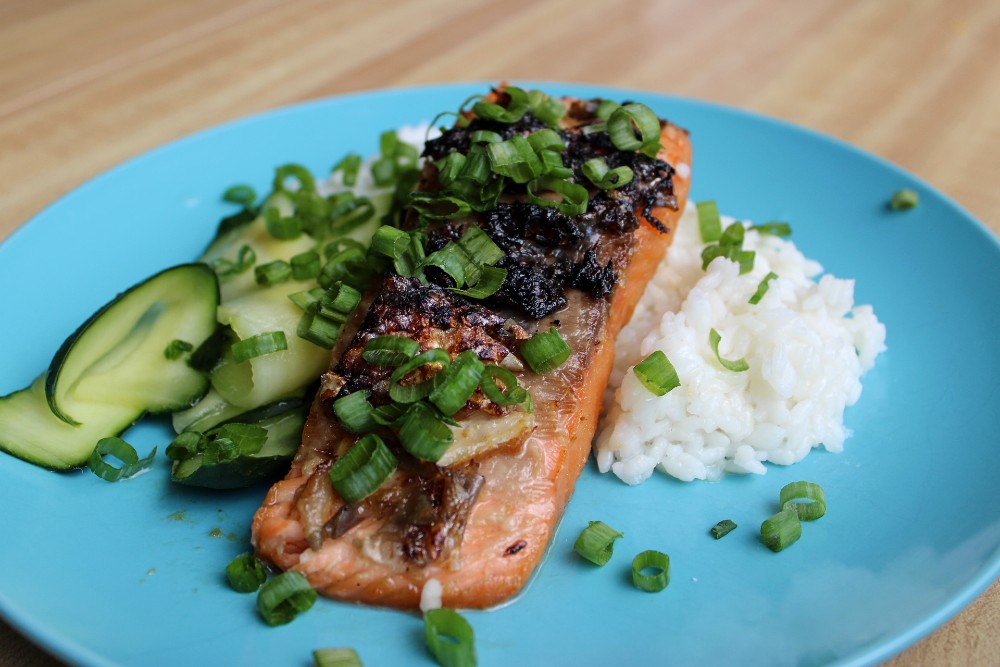
The specific recipe he gave me to cook was a favorite dish of his when he was child — something his grandmother would make frequently as they grew up poor and fish was the cheapest protein in Japan at the time. His grandmother would cook the fish on a small charcoal grill and serve it with takuwan, or pickled radish, so now the dish reminds him of his time in Japan.

She also used to upcycle the miso marinade, meaning she’d pour the remaining marinade into a small pot with water and cook it into a soup. To further add to the nostalgia, a similar dish is the first meal he had at a Japanese restaurant in the U.D. as a “lonely, immigrant teenager,” he says, though the restaurant now makes it with black cod. The restaurant, Tachibana, best resembles the Japanese home cooking Eric grew up with, and it’s nestled in a non-descript office park in McLean, Virginia.
Eric originally described the meal as something light and healthy, which peaked my interest as someone now trying to prioritize her physical health while stuck in a personal quarantine. He says the fish is nutritious and pairs well with a warm bowl of miso soup on winter mornings. And yes, he did frequently enjoy the fish as a breakfast in Japan, since it’s common to eat fish any time of day. Nowadays, he mostly makes it for dinner, and only a couple of times during quarantine since he doesn’t have an accessible fish market nearby Columbia Heights.

He prefers to hit up Eastern Market of District Fishwife for quality fish to really make the dish. He splits cooking duties with his partner, so while he’s been cooking some favorites lately, like fried okra, gumbo and jambalaya, he said he would switch back to Taiwanese dishes soon. He still makes a roast chicken once every month for the past 10 years to keep perfecting his recipe, and that’s partly due to the philosophy of kaizen, or continuous improvement, being ingrained into him after being exposed to Japanese culture at a young age. The phrase, “always do better than you did yesterday” stays in his mind as he looks at restaurant operations, workouts at the gym or cooking at home.
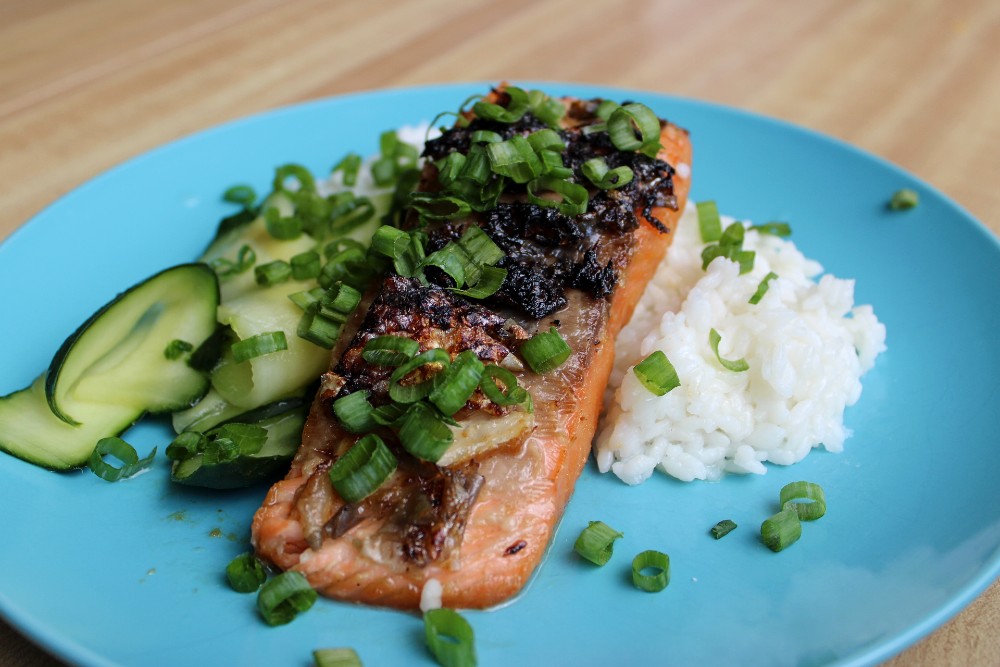
Eric has it own personal touches to the dish, however, different from Tachibana or his grandmother’s recipe. He typically makes it more often with salmon steak than Spanish mackerel,

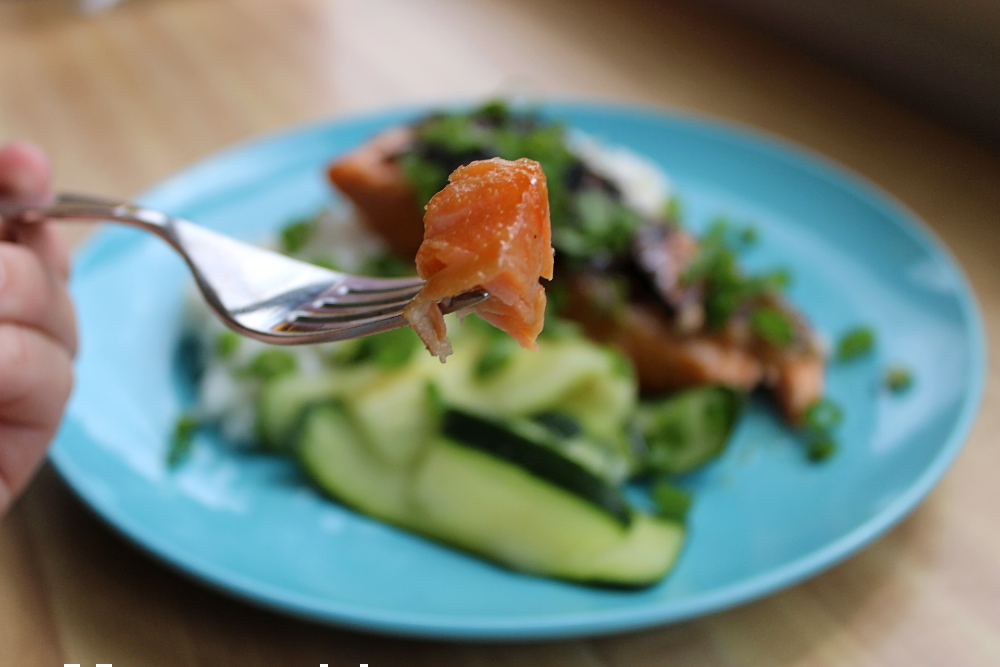
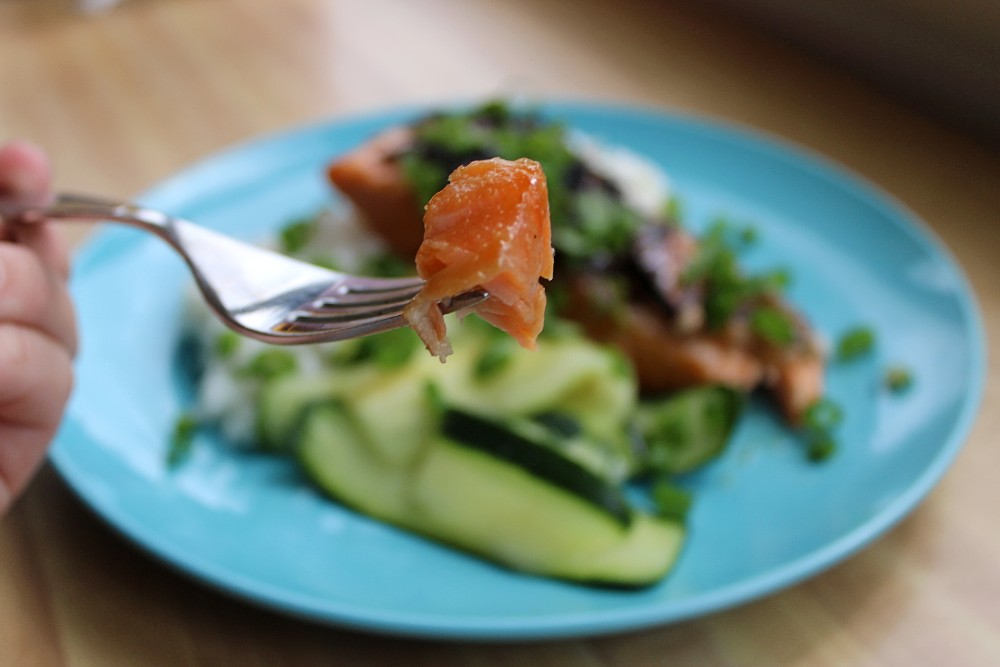
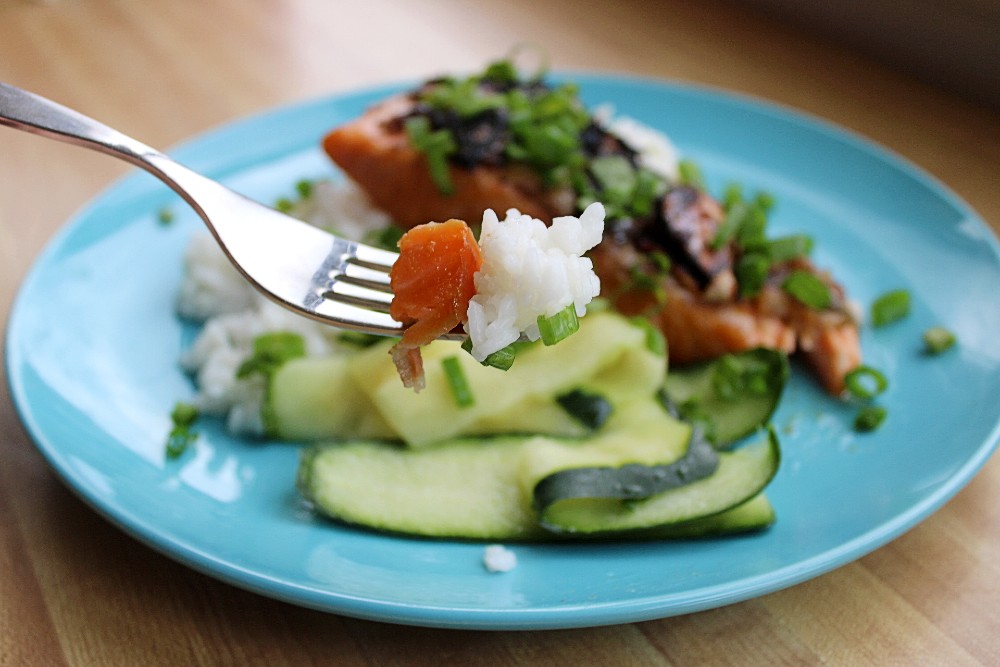
though he credits that to the easy access to salmon in D.C. fish markets. If you can get Spanish mackerel, he says the pure fish flavor is “a perfect vehicle for the fermented umami of miso.” His favorite component, though, is the perfectly crispy skin and that first satisfying crunch with all the flavors. Unfortunately, I did mess up the skin a bit due to my inability to properly grease a pan and my lack of experience cooking fish, but my boyfriend did comment that the skin was also his favorite part.
Enjoy delicious salmon, sans any guilt, with Eric’s recipe.
CLICK HERE FOR ALL PAST RECIPES!
 The Sunday Roast